Lowering Costs for Caregivers Act of 2025
Summary
What This Bill Does
The Lowering Costs for Caregivers Act changes tax-preferred health accounts so workers can use account dollars for a parent's medical care. It amends health savings account rules, health flexible spending arrangement and health reimbursement arrangement rules, and Archer MSA rules to include a parent of the taxpayer or a parent of the taxpayer's spouse. The HSA and Archer MSA changes apply to amounts paid after December 31, 2024, and the FSA/HRA change applies to expenses incurred after that date. The bill helps adult children who are paying for elder-care medical costs but currently cannot use their own health-account funds for those expenses.
Who Benefits and How
Adult children caring for parents benefit because they can use tax-preferred health account dollars for parental medical expenses. Elderly parents benefit when family caregivers can pay medical costs with HSA, FSA, HRA, or Archer MSA funds. Employees with health FSAs benefit because workplace accounts can reimburse parent-care expenses without taxable income. HSA account holders benefit because the eligible expense list expands beyond themselves, spouses, and dependents.
Who Bears the Burden and How
The Internal Revenue Service must update guidance for parent-care expenses across several account types. Health account administrators must update claims systems and substantiation rules for parents and in-laws. Employers sponsoring FSAs or HRAs must amend plan documents and employee communications. Federal taxpayers bear the revenue cost of more medical spending receiving tax-preferred treatment.
Key Provisions
- Expands HSA qualified medical expenses to include a taxpayer's parent or spouse's parent.
- Expands health FSA and HRA reimbursements for parent medical care without creating taxable income.
- Expands Archer MSA qualified expenses for parent and in-law medical care.
- Extends the changes to expenses paid or incurred after December 31, 2024.
Evidence Chain:
This summary is generated from the full bill text using AI analysis. Expand "Detailed Analysis" below for identified beneficiaries/burden bearers with clause-level evidence links.
At a Glance
What This Bill Does
Allows HSAs, health FSAs, HRAs, and Archer MSAs to reimburse medical-care expenses for a taxpayer's parent or spouse's parent after 2024.
Key Policy Areas
Tax, Health Care, Family Caregiving
Primary Purpose
Allows HSAs, health FSAs, HRAs, and Archer MSAs to reimburse medical-care expenses for a taxpayer's parent or spouse's parent after 2024.
Policy Domains
Resolution provisions
Identified Gains
- Adult children caregivers
- Elderly parents
- Employees with health FSAs
- HSA account holders
Identified Costs
- Internal Revenue Service
- Health account administrators
- Employer plan sponsors
- Federal taxpayers
Sponsors
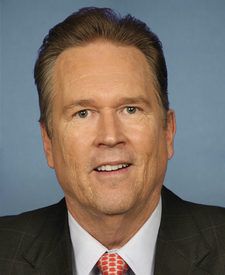
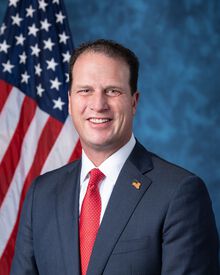
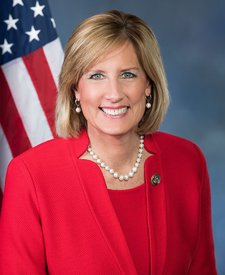

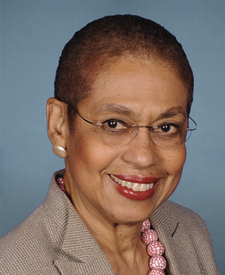
Legislative Progress
In CommitteeMr. Buchanan (for himself and Mr. Thompson of California) introduced …
Referred to the House Committee on Ways and Means.
Introduced in House
Stakeholder Effects
cui bono?How this legislation distributes effects. Mention counts reflect frequency, not effect magnitude.
Bill Structure & Actor Mappings
Who is "The Secretary" in each section?
We use a combination of our own taxonomy and classification in addition to large language models to assess meaning and potential beneficiaries. High confidence means strong textual evidence. Always verify with the original bill text.
Learn more about our methodology