Lowering Costs for Caregivers Act of 2025
Sponsors




Legislative Progress
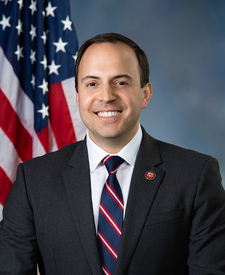
In CommitteeMr. Buchanan (for himself and Mr. Thompson of California) introduced …
Summary
What This Bill Does
The Lowering Costs for Caregivers Act of 2025 expands three types of tax-advantaged healthcare accounts—Health Savings Accounts (HSAs), Flexible Spending Arrangements (FSAs), and Archer Medical Savings Accounts (MSAs)—to allow people to use these accounts to pay for medical expenses of their parents or their spouse's parents. Currently, these accounts can only be used for the account holder, their spouse, and their dependents. This change would take effect after December 31, 2024.
Who Benefits and How
Families caring for elderly parents benefit by gaining access to tax-free or tax-deductible funds to cover their parents' medical expenses. Workers with high-deductible health plans and HSAs, employees with employer-sponsored FSAs or HRAs, and self-employed individuals with Archer MSAs would all be able to reduce their out-of-pocket healthcare costs for parents through these tax-advantaged accounts. Healthcare providers serving elderly populations would also benefit from increased patient ability to pay for medical services. Financial institutions that administer HSAs and third-party administrators managing FSAs and HRAs would see increased business opportunities from expanded account usage.
Who Bears the Burden and How
The federal government would lose tax revenue from the expanded deductions and exclusions, as more medical expenses would be paid with pre-tax dollars. This cost would ultimately be borne by all taxpayers who subsidize these tax breaks. Employers offering FSA and HRA benefits may face modestly higher administrative costs to update their plans and communicate the new eligibility rules to employees, though this burden is likely to be minimal.
Key Provisions
- Amends IRC Section 223 to expand HSA eligibility to include medical expenses for parents of the account holder or their spouse
- Amends IRC Section 105 to allow FSAs and HRAs to reimburse medical expenses for parents without triggering income inclusion, using the broad medical care definition from IRC Section 213(d)
- Amends IRC Section 220 to expand Archer MSA eligibility to include parents of the account holder or their spouse
- All changes apply to amounts paid or expenses incurred after December 31, 2024
- The bill makes no changes to contribution limits for these accounts, only expands who qualifies as an eligible family member for covered expenses
Evidence Chain:
This summary is derived from the structured analysis below. See "Detailed Analysis" for per-title beneficiaries/burden bearers with clause-level evidence links.
Primary Purpose
Expands tax-advantaged health savings and reimbursement accounts to allow them to be used for medical expenses of parents of the account holder or their spouse
Policy Domains
Legislative Strategy
"Expand tax benefits for middle-class and upper-middle-class families caring for elderly parents by extending existing health account programs"
Likely Beneficiaries
- Families with elderly parents requiring medical care
- Workers with employer-sponsored health accounts (FSAs/HRAs)
- Individuals with high-deductible health plans (HSAs)
- Healthcare providers serving elderly populations
Likely Burden Bearers
- Federal Treasury (lost tax revenue from expanded deductions/exclusions)
- Taxpayers generally (who subsidize these tax breaks)
Bill Structure & Actor Mappings
Who is "The Secretary" in each section?
- "the_secretary"
- → Secretary of the Treasury
- "the_secretary"
- → Secretary of the Treasury
- "the_secretary"
- → Secretary of the Treasury
Key Definitions
Terms defined in this bill
For HSAs, expands to include any parent of the account holder or their spouse, in addition to the existing scope of self, spouse, and dependents
For FSAs/HRAs, explicitly includes medical care for a parent of the taxpayer or spouse, using the definition from section 213(d) without regard to the AGI threshold
For Archer MSAs, expands to include any parent of the account holder or their spouse, matching the HSA expansion
We use a combination of our own taxonomy and classification in addition to large language models to assess meaning and potential beneficiaries. High confidence means strong textual evidence. Always verify with the original bill text.
Learn more about our methodology