To amend the Internal Revenue Code of 1986 to repeal the credit for new clean vehicles, and for other purposes.
Summary
What This Bill Does
The bill repeals IRC Section 30D, the clean vehicle tax credit that provides up to $7,500 for purchasing new electric vehicles. Also removes related cross-references and adds a standalone definition of Indian tribal government, repeals IRC Section 25E, the tax credit for previously-owned (used) clean vehicles that provides up to $4,000 for purchasing used electric vehicles, and repeals IRC Section 45W, the tax credit for qualified commercial clean vehicles that provides credits for businesses purchasing electric trucks, vans, and other commercial EVs. It relies on tax credits and definition changes. The main policy areas are Tax Policy, Trade, Energy, and Transportation.
Who Benefits and How
Federal government (Treasury) could see lower costs, Traditional automobile manufacturers (ICE vehicles) could gain revenue opportunities, and Traditional commercial vehicle manufacturers (diesel) could gain revenue opportunities.
Who Bears the Burden and How
Electric vehicle manufacturers could lose revenue opportunities, EV charging station operators and developers could face higher costs, and Consumers purchasing used electric vehicles could face higher costs.
Key Provisions
- Repeals IRC Section 30D, the clean vehicle tax credit that provides up to $7,500 for purchasing new electric vehicles. Also removes related cross-references and adds a standalone definition of Indian tribal government.
- Repeals IRC Section 25E, the tax credit for previously-owned (used) clean vehicles that provides up to $4,000 for purchasing used electric vehicles.
- Repeals IRC Section 45W, the tax credit for qualified commercial clean vehicles that provides credits for businesses purchasing electric trucks, vans, and other commercial EVs.
- Amends IRC Section 30C to exclude electric vehicle charging equipment from the alternative fuel vehicle refueling property credit, removing tax incentives for EV charging station installation.
Evidence Chain:
This summary is generated from the full bill text using AI analysis. Expand "Detailed Analysis" below for identified beneficiaries/burden bearers with clause-level evidence links.
At a Glance
What This Bill Does
The bill repeals IRC Section 30D, the clean vehicle tax credit that provides up to $7,500 for purchasing new electric vehicles. Also removes related cross-references and adds a standalone definition of Indian tribal government, repeals IRC Section 25E, the tax credit for previously-owned (used) clean vehicles that provides up to $4,000 for purchasing used electric vehicles, and repeals IRC Section 45W, the tax credit for qualified commercial clean vehicles that provides credits for businesses purchasing electric trucks, vans, and other commercial EVs.
Key Policy Areas
Tax Policy, Trade, Energy, Transportation
Primary Purpose
The bill repeals IRC Section 30D, the clean vehicle tax credit that provides up to $7,500 for purchasing new electric vehicles. Also removes related cross-references and adds a standalone definition of Indian tribal government, repeals IRC Section 25E, the tax credit for previously-owned (used) clean vehicles that provides up to $4,000 for purchasing used electric vehicles, and repeals IRC Section 45W, the tax credit for qualified commercial clean vehicles that provides credits for businesses purchasing electric trucks, vans, and other commercial EVs.
Policy Domains
ELITE Vehicles Act
Identified Gains
- Federal government (Treasury)
- Traditional automobile manufacturers (ICE vehicles)
- Traditional commercial vehicle manufacturers (diesel)
- Petroleum refiners and gasoline retailers
Identified Costs
- Electric vehicle manufacturers
- EV charging station operators and developers
- Consumers purchasing used electric vehicles
- Consumers purchasing new electric vehicles
- Fleet operators and commercial vehicle buyers
Sponsors



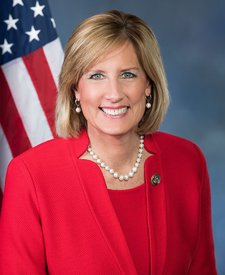
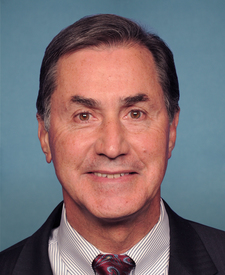
Legislative Progress
IntroducedMr. Arrington (for himself, Mr. Estes, Ms. Van Duyne, Mr. …
Stakeholder Effects
cui bono?How this legislation distributes effects. Mention counts reflect frequency, not effect magnitude.
Commercial electric vehicle manufacturers, EV charging equipment manufacturers, Electric vehicle manufacturers
Positive-direction: Traditional automobile manufacturers (ICE vehicles), Traditional commercial vehicle manufacturers (diesel)
Negative-direction: Commercial electric vehicle manufacturers, EV charging equipment manufacturers, Electric vehicle manufacturers
Consumers purchasing new electric vehicles, Consumers purchasing used electric vehicles, Lower-income EV buyers (used market)
Delivery and logistics companies, Fleet operators and commercial vehicle buyers
EV charging station operators and developers
Bill Structure & Actor Mappings
Who is "The Secretary" in each section?
Key Definitions
Terms defined in this bill
The recognized governing body of any Indian or Alaska Native tribe, band, nation, pueblo, village, community, component band, or component reservation, individually identified in the list published pursuant to section 104 of the Federally Recognized Indian Tribe List Act of 1994
We use a combination of our own taxonomy and classification in addition to large language models to assess meaning and potential beneficiaries. High confidence means strong textual evidence. Always verify with the original bill text.
Learn more about our methodology