Smithsonian National Museum of the American Latino Act
Summary
What This Bill Does
The Smithsonian National Museum of the American Latino Act changes site and governance rules for the planned museum. It allows the museum to be located within the Reserve notwithstanding federal law or regulation and removes prior language limiting that possibility. If the Board of Regents designates a site under another federal agency's jurisdiction, it must notify that agency head; the agency head must notify specified Senate and House committees; and the agency head must transfer administrative jurisdiction over the land or structure to the Smithsonian as soon as practicable after committee notification. The bill also revises Board of Trustees duties so exhibits and programs must accurately and comprehensively represent varied Hispanic or Latino cultures, histories, events, and values and must use guidance from a broad array of knowledgeable and respected sources reflecting diverse political viewpoints and authentic experiences. The Smithsonian Secretary must report within 120 days and every two years on compliance with those exhibit and program requirements.
Who Benefits and How
The Smithsonian Institution benefits from clearer authority to site the American Latino Museum within the Reserve. Hispanic and Latino communities benefit from statutory exhibit language requiring broad cultures, histories, values, viewpoints, and experiences. Museum planners benefit from a defined process for transferring administrative jurisdiction from another federal agency. Congressional oversight committees benefit from recurring reports on exhibit and program compliance.
Who Bears the Burden and How
Federal agencies controlling a selected site must notify Congress and transfer jurisdiction to the Smithsonian. The Museum Board of Trustees must seek and use broad viewpoint-diverse guidance for exhibits and programs. The Smithsonian Secretary must produce the 120-day and biennial reports to multiple committees. Critics of Reserve siting lose a statutory barrier to placing the museum within the Reserve.
Key Provisions
- Authorizes the National Museum of the American Latino to be located within the Reserve.
- Requires federal agency notification, committee notification, and transfer of jurisdiction for selected sites.
- Requires exhibits and programs to represent varied Hispanic or Latino cultures, histories, values, political viewpoints, and experiences.
- Requires Smithsonian compliance reports within 120 days and every two years thereafter.
Evidence Chain:
This summary is generated from the full bill text using AI analysis. Expand "Detailed Analysis" below for identified beneficiaries/burden bearers with clause-level evidence links.
At a Glance
What This Bill Does
Allows the Smithsonian National Museum of the American Latino to be located within the Reserve, streamlines federal jurisdiction transfers for museum sites, requires viewpoint-diverse exhibit guidance, and mandates biennial compliance reports.
Key Policy Areas
Museums, Latino History, Federal Property
Primary Purpose
Allows the Smithsonian National Museum of the American Latino to be located within the Reserve, streamlines federal jurisdiction transfers for museum sites, requires viewpoint-diverse exhibit guidance, and mandates biennial compliance reports.
Policy Domains
Resolution provisions
Identified Gains
- Smithsonian Institution
- Hispanic and Latino communities
- Museum planners
- Congressional oversight committees
Identified Costs
- Federal site agencies
- Museum Board of Trustees
- Smithsonian Secretary
- Reserve-siting opponents
Sponsors


Legislative Progress
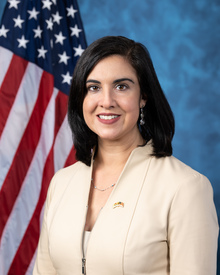
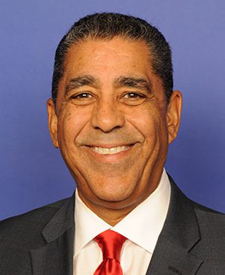
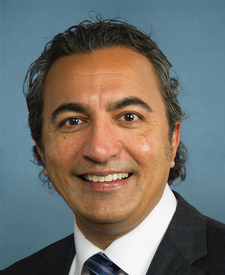
In CommitteeMs. Malliotakis (for herself, Mr. Espaillat, Ms. De La Cruz, …
Referred to the Committee on House Administration, and in addition …
Introduced in House
Stakeholder Effects
cui bono?How this legislation distributes effects. Mention counts reflect frequency, not effect magnitude.
Smithsonian Institution, Smithsonian Secretary
Bill Structure & Actor Mappings
Who is "The Secretary" in each section?
We use a combination of our own taxonomy and classification in addition to large language models to assess meaning and potential beneficiaries. High confidence means strong textual evidence. Always verify with the original bill text.
Learn more about our methodology