Syria Terrorism Threat Assessment Act
Summary
What This Bill Does
The Syria Terrorism Threat Assessment Act directs the Secretary of Homeland Security, in coordination with relevant federal departments and agencies, to conduct a threat assessment of individuals in Syria who are affiliated with a foreign terrorist organization under Immigration and Nationality Act section 219 or with a specially designated global terrorist organization under Executive Order 13224. The assessment must identify each covered individual's country of origin, describe the organization with which the person is affiliated, evaluate DHS's capability to identify, track, and monitor such individuals, describe challenges in that capability, and describe DHS actions to mitigate threats to the United States and prevent covered individuals from entering the country. Within 60 days, DHS must submit the assessment and provide a briefing to the House Homeland Security Committee and Senate Homeland Security and Governmental Affairs Committee. The assessment is unclassified but may include a classified annex.
Who Benefits and How
The Department of Homeland Security, House Homeland Security Committee, Senate Homeland Security Committee, border-security officials, visa-screening officials, intelligence analysts, counterterrorism investigators, and the U.S. public benefit from a fast, Syria-specific threat picture that connects individual country-of-origin data, terrorist-organization affiliation, DHS tracking capability, mitigation actions, and entry-prevention tools. Congress gains a briefing and written assessment for oversight of whether DHS can track Syria-based terrorism risks.
Who Bears the Burden and How
DHS intelligence staff, Customs and Border Protection, Immigration and Customs Enforcement, U.S. Citizenship and Immigration Services, visa-screening partners, relevant federal agencies, classified annex reviewers, and homeland-security committee staff must assemble data, coordinate with other agencies, assess monitoring gaps, prepare unclassified and classified materials, brief Congress, and explain what actions DHS is taking to keep covered individuals from entering the United States.
Key Provisions
- Requires DHS to assess terrorist threats from Syria-based individuals affiliated with foreign terrorist organizations or specially designated global terrorist organizations.
- Requires identification of each covered individual's country of origin and affiliated terrorist organization.
- Requires assessment of DHS capability to identify, track, and monitor covered individuals and any capability gaps.
- Requires description of DHS actions to mitigate threats and prevent covered individuals from entering the United States.
- Requires submission and briefing to House and Senate homeland-security committees within 60 days.
- Provides for an unclassified assessment with a possible classified annex.
Evidence Chain:
This summary is generated from the full bill text using AI analysis. Expand "Detailed Analysis" below for identified beneficiaries/burden bearers with clause-level evidence links.
At a Glance
What This Bill Does
Requires the Secretary of Homeland Security, with relevant federal agencies, to assess within 60 days the terrorist threat to the United States posed by individuals in Syria affiliated with foreign terrorist organizations or specially designated global terrorist organizations and brief House and Senate homeland-security committees.
Key Policy Areas
Homeland Security, Counterterrorism, Syria
Primary Purpose
Requires the Secretary of Homeland Security, with relevant federal agencies, to assess within 60 days the terrorist threat to the United States posed by individuals in Syria affiliated with foreign terrorist organizations or specially designated global terrorist organizations and brief House and Senate homeland-security committees.
Policy Domains
Substantive provisions
Identified Gains
- Department of Homeland Security
- House Homeland Security Committee
- Senate Homeland Security Committee
- Border-security officials
- Visa-screening officials
- Counterterrorism investigators
- U.S. public
Identified Costs
- DHS intelligence staff
- Customs and Border Protection
- Immigration and Customs Enforcement
- U.S. Citizenship and Immigration Services
- Relevant federal agencies
- Classified annex reviewers
Sponsors


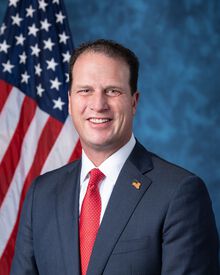
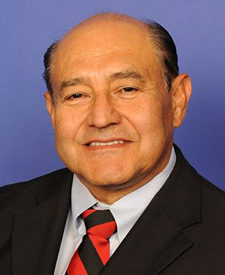
Legislative Progress
Passed HouseReceived; read twice and referred to the Committee on Homeland …
Received in the Senate and Read twice and referred to …
Passed House (inferred from eh version)
Motion to reconsider laid on the table Agreed to without …
Considered under suspension of the rules. (consideration: CR H4782-4783)
On motion to suspend the rules and pass the bill, …
DEBATE - The House proceeded with forty minutes of debate …
Passed/agreed to in House: On motion to suspend the rules …
Mr. Guest moved to suspend the rules and pass the …
Additional sponsors: Mr. Pfluger and Mr. Correa
Stakeholder Effects
cui bono?How this legislation distributes effects. Mention counts reflect frequency, not effect magnitude.
Customs and Border Protection, DHS intelligence staff, Department of Homeland Security
Positive-direction: House Homeland Security Committee, Senate Homeland Security Committee
Negative-direction: Customs and Border Protection, DHS intelligence staff, Department of Homeland Security, Immigration and Customs Enforcement
Bill Structure & Actor Mappings
Who is "The Secretary" in each section?
- "foreign_terrorist_organization"
- → An organization designated under Immigration and Nationality Act section 219.
- "specially_designated_global_terrorist_organization"
- → An organization designated under Executive Order 13224 by the Secretary of State or Secretary of the Treasury.
We use a combination of our own taxonomy and classification in addition to large language models to assess meaning and potential beneficiaries. High confidence means strong textual evidence. Always verify with the original bill text.
Learn more about our methodology