Modern Worker Security Act
Summary
What This Bill Does
The Modern Worker Security Act changes federal worker-classification analysis by separating benefits from employee-status determinations. For any federal law, a determination of whether an individual is an employee of a person must be made without considering whether that person provides a benefit to the individual. The bill defines benefits broadly to include portable protections that the worker can keep after leaving the work relationship; benefits commonly provided to full-time employees such as workers' compensation, skills training, professional development, paid leave, disability coverage, health insurance, retirement savings, income security, and short-term savings; and financial or nonfinancial contributions made by the hiring person, the individual, or both toward those benefits.
Who Benefits and How
Companies using independent contractors benefit because they can offer benefits or contribute to benefits without that fact counting toward employee classification under federal law. Independent workers benefit if businesses become more willing to provide portable benefits, training, paid-leave-like protections, health coverage contributions, retirement savings, income security, or short-term savings support without risking reclassification. Portable-benefit providers benefit from a clearer federal pathway for contractor benefit arrangements. Businesses testing worker-benefit models benefit because the bill removes one classification risk from voluntary benefit offerings.
Who Bears the Burden and How
Workers trying to prove employee status bear a burden because benefit provision could not be used as evidence of employment under federal law. The Department of Labor, NLRB, IRS, and other federal agencies that apply employee-status tests must disregard benefit provision when making classifications. Unions and worker advocates may object that employers could provide limited benefits while avoiding employee obligations. Courts must apply the exclusion across federal statutes and interpret the bill's broad benefit definition.
Key Provisions
- Provides that federal employee-status determinations cannot consider whether the hiring person provides benefits.
- Defines covered benefits to include portable protections retained after the work relationship ends.
- Includes workers' compensation, training, paid leave, disability coverage, health insurance, retirement savings, income security, and short-term savings.
- Covers financial or nonfinancial contributions made by the hiring person, the worker, or both.
- Provides a federal classification shield for voluntary contractor benefit arrangements.
- Requires federal agencies and courts to disregard benefit provision when deciding whether a worker is an employee.
Evidence Chain:
This summary is generated from the full bill text using AI analysis. Expand "Detailed Analysis" below for identified beneficiaries/burden bearers with clause-level evidence links.
At a Glance
What This Bill Does
Bars federal worker-classification decisions from considering whether a hiring person provides portable or work-related benefits, including workers' compensation, skills training, professional development, paid leave, disability coverage, health insurance, retirement savings, income security, short-term savings, or contributions toward those benefits.
Key Policy Areas
Labor, Employment, Benefits
Primary Purpose
Bars federal worker-classification decisions from considering whether a hiring person provides portable or work-related benefits, including workers' compensation, skills training, professional development, paid leave, disability coverage, health insurance, retirement savings, income security, short-term savings, or contributions toward those benefits.
Policy Domains
House resolution provisions
Identified Gains
- Companies using independent contractors
- Independent workers
- Portable-benefit providers
- Businesses testing worker-benefit models
Identified Costs
- Workers seeking employee status
- Department of Labor
- National Labor Relations Board
- Internal Revenue Service
- Unions
- Worker advocates
- Courts
Sponsors


Legislative Progress
ReportedPlaced on the Union Calendar, Calendar No. 432.
Reported (Amended) by the Committee on Education and Workforce. H. …
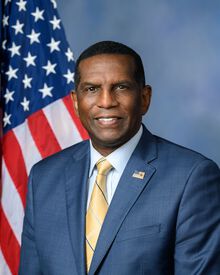
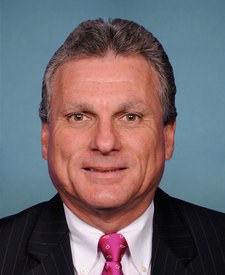
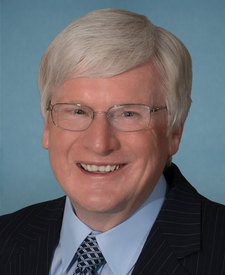
Additional sponsors: Mr. Kean, Mr. Carter of Georgia, Mr. Owens, …
Reported with amendments, committed to the Committee of the Whole …
Ordered to be Reported in the Nature of a Substitute …
Committee Consideration and Mark-up Session Held
Mr. Kiley of California (for himself and Mr. Messmer) introduced …
Referred to the House Committee on Education and Workforce.
Introduced in House
Stakeholder Effects
cui bono?How this legislation distributes effects. Mention counts reflect frequency, not effect magnitude.
Companies using independent contractors, Independent workers receiving portable benefits, Workers seeking employee status
Positive-direction: Companies using independent contractors, Independent workers receiving portable benefits
Negative-direction: Workers seeking employee status
Bill Structure & Actor Mappings
Who is "The Secretary" in each section?
- "dol"
- → Department of Labor
- "irs"
- → Internal Revenue Service
- "nlrb"
- → National Labor Relations Board
We use a combination of our own taxonomy and classification in addition to large language models to assess meaning and potential beneficiaries. High confidence means strong textual evidence. Always verify with the original bill text.
Learn more about our methodology