One Flag for All Act
Summary
What This Bill Does
The One Flag for All Act creates a flag-display restriction for covered public buildings. No flag other than the U.S. flag may be flown, draped, or displayed on the exterior of a covered public building or in a fully public interior area such as an entryway or hallway. The bill includes numerous exceptions: POW/MIA, Hostage and Wrongful Detainee, visiting diplomat national flags, congressional member state flags, Armed Forces unit or branch flags, historically significant U.S. flags such as the Betsy Ross, Gadsden, and Bennington flags, public safety flags, national observance flags such as 9/11 Memorial and Remembrance Day flags, religious-organization flags in military liturgies or ceremonies, federal agency flags, Tribal flags, and state, territory, county, city, or local jurisdiction flags. Covered public buildings include congressional buildings, military installations, embassies, consulates, and other public buildings.
Who Benefits and How
U.S. flag prioritization advocates benefit because the bill makes the U.S. flag the default display on covered public buildings. Veterans and military families benefit from explicit exceptions for POW/MIA, Armed Forces, and public safety flags. Tribal governments benefit because Tribal flags remain allowed in covered public buildings. State and local governments benefit because their jurisdictional flags remain exempt.
Who Bears the Burden and How
Federal facility managers must remove or deny non-exempt flags from exteriors and public interior areas. Advocacy groups whose flags are not listed in the exceptions lose display opportunities in covered public buildings. Embassy and consulate staff must manage flag displays within the diplomatic and public-building exceptions. Architect of the Capitol and military installation administrators must apply the exception list in public spaces.
Key Provisions
- Prohibits non-U.S. flags on exteriors and fully public interior areas of covered public buildings.
- Provides exceptions for POW/MIA, hostage, diplomatic, state, Armed Forces, historical, public safety, observance, religious, agency, Tribal, and local flags.
- Includes congressional buildings, military installations, embassies, consulates, and other public buildings.
- Restricts flag displays through property-management rules rather than criminal penalties.
Evidence Chain:
This summary is generated from the full bill text using AI analysis. Expand "Detailed Analysis" below for identified beneficiaries/burden bearers with clause-level evidence links.
At a Glance
What This Bill Does
Bars non-U.S. flags from exterior and public interior areas of covered public buildings, with exceptions for POW/MIA, hostage, diplomatic, state, military, historical, public safety, national observance, religious, agency, Tribal, and local jurisdiction flags.
Key Policy Areas
Government Buildings, Federal Property, Symbols
Primary Purpose
Bars non-U.S. flags from exterior and public interior areas of covered public buildings, with exceptions for POW/MIA, hostage, diplomatic, state, military, historical, public safety, national observance, religious, agency, Tribal, and local jurisdiction flags.
Policy Domains
Resolution provisions
Identified Gains
- U.S. flag advocates
- Veterans
- Tribal governments
- State governments
Identified Costs
- Federal facility managers
- Advocacy organizations
- Embassy staff
- Military installation administrators
Sponsors


Legislative Progress
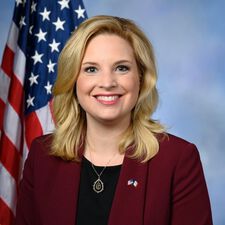
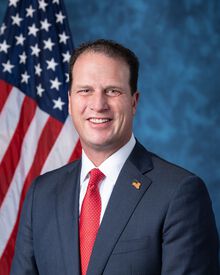
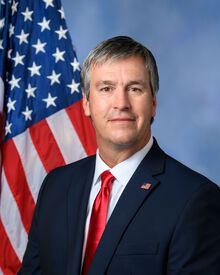
In CommitteeMrs. Harshbarger (for herself, Ms. Salazar, Mr. Hunt, Mrs. Miller …
Introduced in House
Referred to the Subcommittee on Economic Development, Public Buildings, and …
Referred to the Committee on Transportation and Infrastructure, and in …
Stakeholder Effects
cui bono?How this legislation distributes effects. Mention counts reflect frequency, not effect magnitude.
Federal facility managers, Tribal governments, U.S. flag advocates
Bill Structure & Actor Mappings
Who is "The Secretary" in each section?
We use a combination of our own taxonomy and classification in addition to large language models to assess meaning and potential beneficiaries. High confidence means strong textual evidence. Always verify with the original bill text.
Learn more about our methodology