Protecting America’s Seniors’ Access to Care Act
Summary
What This Bill Does
The Protecting America's Seniors' Access to Care Act blocks a specific CMS final rule: Medicare and Medicaid Programs; Minimum Staffing Standards for Long-Term Care Facilities and Medicaid Institutional Payment Transparency Reporting, published May 10, 2024. Beginning on enactment, the Secretary of Health and Human Services may not implement, administer, or enforce that rule or any substantially similar regulation. The blocked rule set minimum staffing standards for long-term care facilities and Medicaid institutional payment transparency reporting. The bill therefore relieves nursing homes from the federal staffing mandate and reporting rule, while removing protections that supporters say would improve resident care and workforce levels.
Who Benefits and How
Nursing home operators benefit because HHS cannot enforce the 2024 federal minimum staffing rule or a substantially similar regulation. Long-term care facilities in workforce-shortage areas benefit if they avoid staffing mandates they say are hard to meet. State Medicaid agencies benefit from avoiding federal institutional payment transparency implementation tied to the blocked rule. Nursing home trade associations benefit from a statutory rollback of a major CMS regulation.
Who Bears the Burden and How
Nursing home residents may bear risk if minimum staffing standards that could improve care are blocked. Nursing home workers may lose leverage for higher staffing levels and better staffing ratios. HHS and CMS lose authority to implement, administer, or enforce the named rule or similar rules. Long-term care accountability advocates bear the burden of losing federal payment transparency and staffing standards.
Key Provisions
- Prohibits HHS from implementing CMS's May 10, 2024 nursing home minimum staffing rule.
- Blocks administration and enforcement of the Medicaid institutional payment transparency portions of the rule.
- Bars any substantially similar regulation after enactment.
- Rolls back federal long-term care staffing and transparency requirements rather than revising them.
Evidence Chain:
This summary is generated from the full bill text using AI analysis. Expand "Detailed Analysis" below for identified beneficiaries/burden bearers with clause-level evidence links.
At a Glance
What This Bill Does
Prohibits HHS from implementing, administering, or enforcing CMS's May 10, 2024 nursing home minimum staffing and Medicaid institutional payment transparency rule or any substantially similar rule.
Key Policy Areas
Health Care, Nursing Homes, Regulation
Primary Purpose
Prohibits HHS from implementing, administering, or enforcing CMS's May 10, 2024 nursing home minimum staffing and Medicaid institutional payment transparency rule or any substantially similar rule.
Policy Domains
Resolution provisions
Identified Gains
- Nursing home operators
- Long-term care facilities
- State Medicaid agencies
- Nursing home trade associations
Identified Costs
- Nursing home residents
- Nursing home workers
- HHS and CMS
- Long-term care advocates
Sponsors
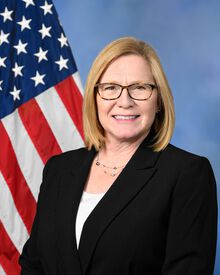

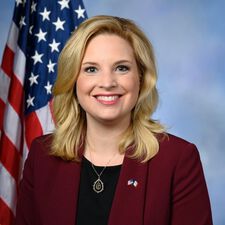
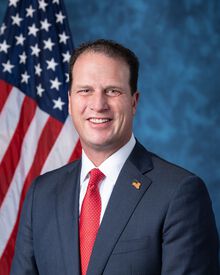
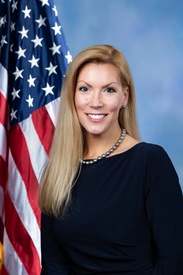
Legislative Progress
In CommitteeMrs. Fischbach (for herself, Mr. Carter of Georgia, Mrs. Houchin, …
Referred to the Committee on Ways and Means, and in …
Introduced in House
Stakeholder Effects
cui bono?How this legislation distributes effects. Mention counts reflect frequency, not effect magnitude.
Long-term care facilities, Nursing home operators, Nursing home residents
Positive-direction: Long-term care facilities, Nursing home operators
Negative-direction: Nursing home residents
Bill Structure & Actor Mappings
Who is "The Secretary" in each section?
We use a combination of our own taxonomy and classification in addition to large language models to assess meaning and potential beneficiaries. High confidence means strong textual evidence. Always verify with the original bill text.
Learn more about our methodology