Veterans Jobs Opportunity Act
Summary
What This Bill Does
The Veterans Jobs Opportunity Act adds a new business credit for applicable veteran-owned small businesses. The credit equals 15 percent of qualified startup expenditures paid or incurred during the taxable year, capped at $50,000 of expenditures, so the maximum credit is $7,500. The business must be owned and controlled by one or more veterans or spouses of veterans, and its principal place of business must be in an underserved community. The bill defines ownership and control for sole proprietorships, corporations, and partnerships and ties the credit to active business participation rather than passive ownership.
Who Benefits and How
Veteran entrepreneurs benefit from a startup tax credit for costs of launching a qualifying small business. Spouses of veterans benefit because their ownership can qualify the business for the credit. Underserved communities benefit if the credit encourages veteran-owned businesses to open locally. Small business advisors benefit from a targeted credit they can use in veteran entrepreneurship planning.
Who Bears the Burden and How
The Treasury Department and IRS must administer a new business credit and verify ownership, control, and underserved-community requirements. Federal taxpayers bear the revenue cost of credits up to $7,500 per qualifying business. Claiming businesses must document qualified startup expenditures and active veteran or spouse ownership. Businesses outside underserved communities do not qualify even if veteran-owned.
Key Provisions
- Adds a veteran small business startup credit to the Internal Revenue Code.
- Provides a 15 percent credit on up to $50,000 of qualified startup expenditures.
- Requires veteran or veteran-spouse ownership and control of the small business.
- Limits eligibility to businesses whose principal place of business is in an underserved community.
Evidence Chain:
This summary is generated from the full bill text using AI analysis. Expand "Detailed Analysis" below for identified beneficiaries/burden bearers with clause-level evidence links.
At a Glance
What This Bill Does
Creates a veteran small business startup tax credit equal to 15 percent of up to $50,000 in qualified startup expenditures for veteran- or veteran-spouse-owned businesses in underserved communities.
Key Policy Areas
Tax, Veterans, Small Business
Primary Purpose
Creates a veteran small business startup tax credit equal to 15 percent of up to $50,000 in qualified startup expenditures for veteran- or veteran-spouse-owned businesses in underserved communities.
Policy Domains
Resolution provisions
Identified Gains
- Veteran entrepreneurs
- Spouses of veterans
- Underserved communities
- Small business advisors
Identified Costs
- Treasury Department
- Federal taxpayers
- Claiming businesses
- Businesses outside underserved communities
Sponsors
Legislative Progress
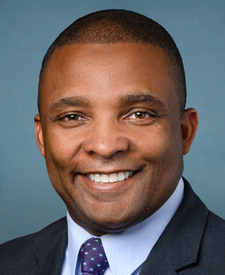
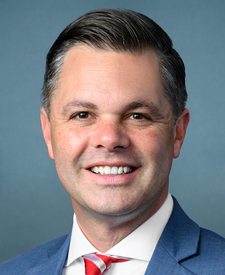
In CommitteeMr. Davis of North Carolina (for himself and Mr. Nunn …
Referred to the House Committee on Ways and Means.
Introduced in House
Stakeholder Effects
cui bono?How this legislation distributes effects. Mention counts reflect frequency, not effect magnitude.
Bill Structure & Actor Mappings
Who is "The Secretary" in each section?
We use a combination of our own taxonomy and classification in addition to large language models to assess meaning and potential beneficiaries. High confidence means strong textual evidence. Always verify with the original bill text.
Learn more about our methodology