LPOE Modernization Trust Fund Act
Summary
What This Bill Does
The LPOE Modernization Trust Fund Act creates a Treasury trust fund for land port of entry modernization. Beginning in fiscal year 2026, it deposits 25 percent of certain COBRA customs fees, up to $1.6 billion in merchandise processing fees, 25 percent of new immigrant user fee, land border inspection fee, and machine-readable visa fee surcharges, and interest into the fund. Amounts are available only through advance appropriations for new ports of entry, expansion and improvement of existing ports, inspection technology and cargo infrastructure, major repairs, and hiring CBP officers, agricultural specialists, and professional staff. The Secretary of Homeland Security must consult GSA, Army Corps, state, local, and Tribal governments, commerce groups, and advisory committees, consider binational transportation plans, file annual implementation reports, and work with a nine-member Land Port of Entry Modernization Oversight Board that includes federal officials plus trucking, border port, rail, and transportation authority representatives.
Who Benefits and How
Land ports of entry benefit from a dedicated funding stream for construction, repairs, technology, and staffing. CBP officers and agricultural specialists benefit if trust-fund appropriations support hiring and better inspection infrastructure. Trucking and cross-border commerce interests benefit from board representation and modernization projects that can reduce congestion. State, local, and Tribal governments near ports benefit from consultation on port priorities and transportation plans.
Who Bears the Burden and How
Travelers and visa applicants bear new or redirected surcharges, including $40 immigrant user fee, $6 land border inspection fee, and $20 machine-readable visa fee surcharges. The Department of Homeland Security must manage the trust fund, board, reports, consultations, and project prioritization. The Treasury Department must invest fund balances and handle transfers from fee accounts. Congress must provide advance appropriations before trust-fund amounts can be spent.
Key Provisions
- Establishes the Land Port of Entry Modernization Trust Fund in Treasury.
- Deposits portions of customs, merchandise processing, immigration, land-border, and visa fee streams into the fund.
- Authorizes fund uses for port construction, modernization, inspection technology, repairs, and CBP staffing.
- Requires annual reports and creates a Land Port of Entry Modernization Oversight Board.
Evidence Chain:
This summary is generated from the full bill text using AI analysis. Expand "Detailed Analysis" below for identified beneficiaries/burden bearers with clause-level evidence links.
At a Glance
What This Bill Does
Creates a Land Port of Entry Modernization Trust Fund funded by customs, immigration, land-border, and visa fee streams for port construction, modernization, technology, staffing, oversight, and annual reporting.
Key Policy Areas
Homeland Security, Customs, Infrastructure, Trade
Primary Purpose
Creates a Land Port of Entry Modernization Trust Fund funded by customs, immigration, land-border, and visa fee streams for port construction, modernization, technology, staffing, oversight, and annual reporting.
Policy Domains
Resolution provisions
Identified Gains
- Land ports of entry
- CBP officers
- Trucking industry representatives
- State transportation authorities
Identified Costs
- Travelers and visa applicants
- Department of Homeland Security
- Treasury Department
- Congress
Sponsors
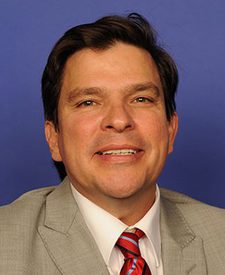
Legislative Progress
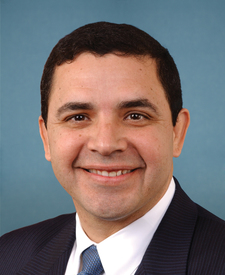
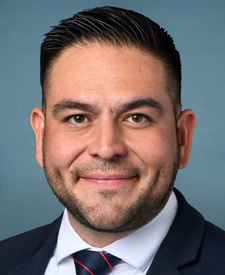
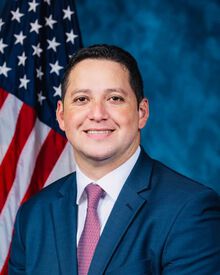
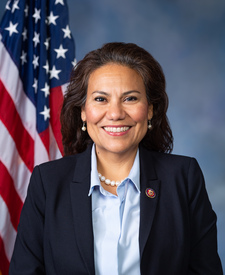
In CommitteeMr. Cuellar (for himself, Mr. Tony Gonzales of Texas, Ms. …
Referred to the Subcommittee on Border Security and Enforcement.
Referred to the Committee on Ways and Means, and in …
Introduced in House
Stakeholder Effects
cui bono?How this legislation distributes effects. Mention counts reflect frequency, not effect magnitude.
Bill Structure & Actor Mappings
Who is "The Secretary" in each section?
We use a combination of our own taxonomy and classification in addition to large language models to assess meaning and potential beneficiaries. High confidence means strong textual evidence. Always verify with the original bill text.
Learn more about our methodology