HEARTS Act of 2025
Summary
What This Bill Does
The HEARTS Act of 2025 pushes federally funded biomedical research away from animal use when humane and scientifically satisfactory nonanimal methods exist. It requires NIH animal-care guidelines for all NIH-conducted or supported research to include incentives for existing nonanimal methods and to ensure nonanimal alternatives are considered before animal research is approved or performed. It creates a National Center for Alternatives to Animals in Research and Testing within NIH within one year. The Center will develop, promote, and fund nonanimal methods, plan to reduce animal use, assist and fund researchers using methods such as advanced cell cultures, 3D organoids, microphysiological systems, induced pluripotent adult stem cell models, in silico modeling, advanced imaging, and artificial intelligence, train scientists, and collect reporting. Federally funded research entities must report animal-use counts by species within two years, update reports every two years, and submit public reduction plans.
Who Benefits and How
Animal welfare organizations benefit because NIH-funded research must prioritize and report progress toward nonanimal methods. Researchers developing organoids, microphysiological systems, AI models, and other nonanimal tools benefit from a new NIH center and funding assistance. Laboratory animals benefit indirectly if federally funded entities reduce animal use and report species-level counts. Patients and drug developers benefit if human-focused methods improve translation from preclinical research to clinical trials.
Who Bears the Burden and How
NIH must establish the National Center, update animal-care guidelines, fund nonanimal methods, train scientists, and review reports. Federally funded research entities must publicly report animal-use counts and reduction plans every two years. Animal research laboratories may lose funding advantage when satisfactory nonanimal methods exist. Federal taxpayers bear the cost of the new NIH center, grants, training, and reporting infrastructure.
Key Provisions
- Requires NIH incentives and review for humane and scientifically satisfactory nonanimal methods.
- Establishes a National Center for Alternatives to Animals in Research and Testing within NIH.
- Funds and promotes methods such as organoids, microphysiological systems, stem-cell models, in silico modeling, imaging, and AI.
- Requires federally funded research entities to report animal-use counts by species and submit reduction plans.
Evidence Chain:
This summary is generated from the full bill text using AI analysis. Expand "Detailed Analysis" below for identified beneficiaries/burden bearers with clause-level evidence links.
At a Glance
What This Bill Does
Creates NIH incentives, a National Center, funding, reporting, and reduction plans to replace federally funded animal research and testing with humane nonanimal methods where scientifically satisfactory.
Key Policy Areas
Health Research, Animal Welfare, Science
Primary Purpose
Creates NIH incentives, a National Center, funding, reporting, and reduction plans to replace federally funded animal research and testing with humane nonanimal methods where scientifically satisfactory.
Policy Domains
Resolution provisions
Identified Gains
- Animal welfare organizations
- Nonanimal methods researchers
- Laboratory animals
- Patients
Identified Costs
- NIH
- Federally funded research entities
- Animal research laboratories
- Federal taxpayers
Sponsors

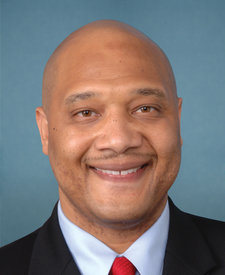


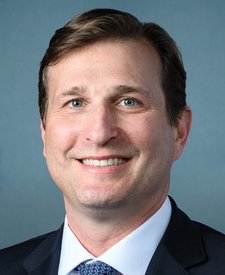
Legislative Progress
In CommitteeMr. Calvert (for himself, Mr. Pappas, Ms. Malliotakis, Ms. Scholten, …
Referred to the House Committee on Energy and Commerce.
Introduced in House
Stakeholder Effects
cui bono?How this legislation distributes effects. Mention counts reflect frequency, not effect magnitude.
Bill Structure & Actor Mappings
Who is "The Secretary" in each section?
We use a combination of our own taxonomy and classification in addition to large language models to assess meaning and potential beneficiaries. High confidence means strong textual evidence. Always verify with the original bill text.
Learn more about our methodology