DRIVE Act of 2025
Summary
What This Bill Does
The DRIVE Act of 2025 changes Department of Veterans Affairs beneficiary travel reimbursement. It requires the VA mileage rate for beneficiary travel to be equal to or greater than the mileage reimbursement rate for government employees using privately owned vehicles on official business when no government vehicle is available, as set by GSA. It also requires the VA, when it makes mileage allowance payments for a fiscal year, to ensure that a mileage-based allowance is paid no later than 90 days after a proper request is submitted under VA regulations. The bill replaces the fixed statutory 41.5 cents-per-mile reference with a rate tied to federal employee travel reimbursement.
Who Benefits and How
Veterans traveling for VA care benefit from a mileage reimbursement floor tied to the federal employee POV rate. Rural veterans benefit if higher mileage reimbursement reduces the cost of long trips to VA facilities. Veterans service organizations benefit from a clear statutory rate floor and 90-day payment deadline. Caregivers who transport veterans benefit indirectly when beneficiary travel reimbursement better covers driving costs.
Who Bears the Burden and How
The Department of Veterans Affairs must update travel reimbursement rates, systems, and payment timing rules. VA travel offices must process proper mileage requests within 90 days. Federal taxpayers bear the cost if reimbursement rates rise above the former fixed statutory amount. Budget officials must account for beneficiary travel spending tied to the GSA privately owned vehicle rate.
Key Provisions
- Requires VA beneficiary travel mileage rates to be at least the federal employee privately owned vehicle rate.
- Requires properly submitted mileage allowance requests to be paid within 90 days.
- Replaces the fixed 41.5-cent statutory rate with a rate determined under the new standard.
- Strengthens travel reimbursement for veterans seeking VA health care.
Evidence Chain:
This summary is generated from the full bill text using AI analysis. Expand "Detailed Analysis" below for identified beneficiaries/burden bearers with clause-level evidence links.
At a Glance
What This Bill Does
Requires VA beneficiary travel mileage reimbursement to be at least the federal employee privately owned vehicle rate and paid within 90 days after a proper request.
Key Policy Areas
Veterans, Health Care, Transportation
Primary Purpose
Requires VA beneficiary travel mileage reimbursement to be at least the federal employee privately owned vehicle rate and paid within 90 days after a proper request.
Policy Domains
Resolution provisions
Identified Gains
- Veterans traveling for VA care
- Rural veterans
- Veterans service organizations
- Caregivers transporting veterans
Identified Costs
- Department of Veterans Affairs
- VA travel offices
- Federal taxpayers
- Budget officials
Sponsors
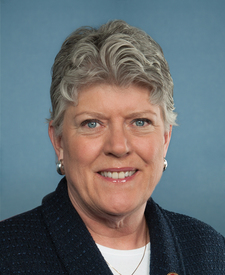


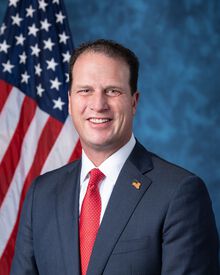

Legislative Progress
In CommitteeReferred to the Subcommittee on Health.
Ms. Brownley (for herself, Ms. Tlaib, Mr. Crenshaw, Mr. Vargas, …
Referred to the House Committee on Veterans' Affairs.
Introduced in House
Stakeholder Effects
cui bono?How this legislation distributes effects. Mention counts reflect frequency, not effect magnitude.
Bill Structure & Actor Mappings
Who is "The Secretary" in each section?
We use a combination of our own taxonomy and classification in addition to large language models to assess meaning and potential beneficiaries. High confidence means strong textual evidence. Always verify with the original bill text.
Learn more about our methodology