Fighting Trade Cheats Act of 2025
Summary
What This Bill Does
The Fighting Trade Cheats Act strengthens enforcement against fraudulent and grossly negligent customs violations. It creates a presumption that purchasers know of violations when they continue buying from multiple affiliated violators after CBP or a court has found fraud or gross negligence. It raises civil penalties, including trebling domestic value measures and increasing gross-negligence formulas, and adds import bans: five years for fraudulent violators and affiliates, and two years for grossly negligent violators and affiliates after final judgment. It creates a private civil action for injured domestic manufacturers, producers, wholesalers, unions, worker groups, and trade associations, allowing compensatory damages plus a penalty equal to three times damages, equitable relief including injunctions against further importation, costs, and attorney fees. The United States may intervene as of right, and CBP must exclude violators and affiliates from importer-of-record participation.
Who Benefits and How
U.S. manufacturers harmed by customs fraud benefit from a private lawsuit with treble penalties and injunctive relief. Certified labor unions benefit because they can sue when fraudulent imports injure represented industries. U.S. Customs and Border Protection officers benefit from stronger penalties, knowledge presumptions, and importer-of-record exclusions. Trade associations representing domestic producers benefit from private enforcement rights against customs fraud.
Who Bears the Burden and How
Importing companies found fraudulent face higher penalties, five-year import bans, private damages, injunctions, and importer-of-record exclusion. Customs brokers serving grossly negligent importers face disruption when clients receive two-year import bans and possible private suits. Affiliated corporate entities can be swept into import bans and importer-of-record exclusion when they are tied to violators. Federal courts must hear new private customs-fraud actions and allow U.S. intervention. Customs compliance attorneys must advise clients on the new affiliated-person and private-enforcement risks.
Key Provisions
- Increases civil penalties for fraudulent and grossly negligent customs violations.
- Authorizes injured domestic interested parties to sue for compensatory damages, treble penalties, equitable relief, costs, and attorney fees.
- Prohibits fraudulent violators from importing for five years and grossly negligent violators for two years.
- Requires importer-of-record exclusion and revocation for violators and affiliated persons.
Evidence Chain:
This summary is generated from the full bill text using AI analysis. Expand "Detailed Analysis" below for identified beneficiaries/burden bearers with clause-level evidence links.
At a Glance
What This Bill Does
Increases customs fraud penalties, creates private customs-fraud lawsuits for injured domestic interested parties, and excludes fraudulent or grossly negligent violators and affiliates from importer-of-record participation.
Key Policy Areas
Trade, Customs, Enforcement
Primary Purpose
Increases customs fraud penalties, creates private customs-fraud lawsuits for injured domestic interested parties, and excludes fraudulent or grossly negligent violators and affiliates from importer-of-record participation.
Policy Domains
Resolution provisions
Identified Gains
- U.S. manufacturers
- Certified labor unions
- U.S. Customs and Border Protection officers
- Trade associations
Identified Costs
- Importing companies
- Customs brokers
- Affiliated corporate entities
- Federal courts
- Customs compliance attorneys
Sponsors



Legislative Progress
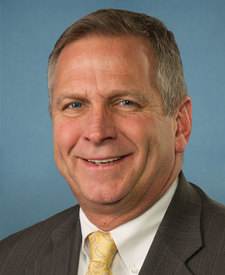
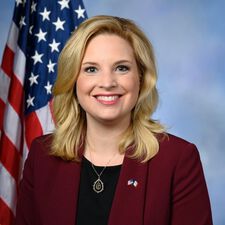
In CommitteeMr. Bost (for himself, Ms. Sewell, Mr. Moran, Ms. Tenney, …
Referred to the House Committee on Ways and Means.
Introduced in House
Stakeholder Effects
cui bono?How this legislation distributes effects. Mention counts reflect frequency, not effect magnitude.
Bill Structure & Actor Mappings
Who is "The Secretary" in each section?
We use a combination of our own taxonomy and classification in addition to large language models to assess meaning and potential beneficiaries. High confidence means strong textual evidence. Always verify with the original bill text.
Learn more about our methodology