To amend title XIX of the Social Security Act to establish a community engagement requirement for certain individuals under the Medicaid program.
Analysis under review: This bill has generated analysis that may be too generic or incomplete. Clause-level evidence remains available below.
Summary
What This Bill Does
This bill requires able-bodied adults on Medicaid who are not caring for children or dealing with serious health issues to work, perform community service, or participate in job training programs for at least 80 hours per month. If they fail to meet this requirement for three months in a year, they lose federal Medicaid funding and can be kicked off the program entirely.
Who Benefits and How
State governments benefit by reducing Medicaid spending, as many people will lose coverage when they cannot meet the 80-hour monthly requirement. Low-wage employers benefit from an increased supply of workers who must take any available job to keep their health insurance. Job training and employment program providers gain new business from Medicaid recipients forced to participate in work programs.
Who Bears the Burden and How
Low-income adults ages 18-65 without dependent children face the risk of losing their health coverage if they cannot consistently work 80 hours per month—particularly harsh for seasonal workers, gig workers with irregular hours, people with disabilities not severe enough to qualify for an exemption, and those in rural areas with limited job opportunities. Healthcare providers lose patients and revenue when people are kicked off Medicaid. State Medicaid agencies must build new tracking and verification systems to monitor work hours, adding administrative costs.
Key Provisions
- Requires 80 hours per month of work, community service, or work program participation to maintain Medicaid eligibility
- Cuts off federal funding for anyone who fails to meet the requirement for 3 or more months in a calendar year
- Exempts people under 18 or over 65, pregnant women, parents of dependent children, people in drug/alcohol treatment, students enrolled at least half-time, and those physically or mentally unable to work
- Allows states to completely disenroll people who lose federal funding due to non-compliance
- Requires states to use existing databases (payroll records, postal address changes, etc.) to verify work hours before asking beneficiaries for additional proof
Evidence Chain:
This summary is generated from the full bill text using AI analysis. Expand "Detailed Analysis" below for identified beneficiaries/burden bearers.
At a Glance
What This Bill Does
Establishes mandatory work requirements for able-bodied adults receiving Medicaid, requiring 80 hours per month of work, community service, or participation in work programs to maintain eligibility
Who Benefits
- State governments seeking to reduce Medicaid expenditures
- Employers of low-wage workers (increases labor supply by forcing Medicaid recipients to work)
- Work program providers (employment agencies, training programs)
Who Bears Costs
- Low-income Medicaid beneficiaries ages 18-65 without exemptions (lose coverage if unable to meet 80-hour monthly requirement)
- Working poor with irregular hours or seasonal employment
- Individuals with disabilities not severe enough to qualify for exemption
Key Policy Areas
Healthcare, Social Welfare, Labor & Employment
Primary Purpose
Establishes mandatory work requirements for able-bodied adults receiving Medicaid, requiring 80 hours per month of work, community service, or participation in work programs to maintain eligibility
Policy Domains
Legislative Strategy
"Add work requirements to Medicaid to reduce program enrollment and federal/state spending by cutting off benefits for beneficiaries who fail to meet monthly work thresholds"
Identified Gains
- State governments seeking to reduce Medicaid expenditures
- Employers of low-wage workers (increases labor supply by forcing Medicaid recipients to work)
- Work program providers (employment agencies, training programs)
Identified Costs
- Low-income Medicaid beneficiaries ages 18-65 without exemptions (lose coverage if unable to meet 80-hour monthly requirement)
- Working poor with irregular hours or seasonal employment
- Individuals with disabilities not severe enough to qualify for exemption
- State Medicaid agencies (administrative burden of tracking compliance)
- Healthcare providers (lose patients and revenue when beneficiaries disenrolled)
Sponsors


Legislative Progress
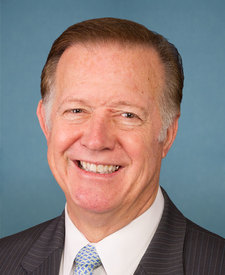
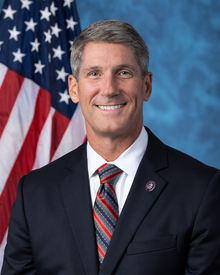
IntroducedMr. Bean of Florida (for himself, Mr. Weber of Texas, …
Stakeholder Effects
cui bono?How this legislation distributes effects. Mention counts reflect frequency, not effect magnitude.
State Medicaid agencies, State governments
Positive-direction: State governments
Negative-direction: State Medicaid agencies
Able-bodied Medicaid beneficiaries ages 18-65 without dependent children
Individuals with disabilities not severe enough for medical exemption
Bill Structure & Actor Mappings
Who is "The Secretary" in each section?
- "the_secretary"
- → Secretary of Health and Human Services
- "state_medicaid_agency"
- → State agency responsible for administering the State Medicaid plan
Key Definitions
Terms defined in this bill
Requirement that applicable individual must: work 80+ hours/month OR earn monthly income equal to federal minimum wage × 80 hours OR complete 80+ hours community service OR participate in work program 80+ hours OR combination of work/service/program totaling 80+ hours
Any Medicaid beneficiary who is NOT: (i) under 18 or over 65 years old; (ii) physically or mentally unfit for employment; (iii) pregnant; (iv) parent/caretaker of dependent child; (v) parent/caretaker of incapacitated person; (vi) complying with work requirements under different federal program; (vii) in drug/alcohol treatment; or (viii) enrolled in educational program at least half-time
Institution of higher education, career and technical education program, or other educational program approved by the Secretary
As defined in section 6(o)(1) of the Food and Nutrition Act of 2008 (SNAP work requirements)
We use a combination of our own taxonomy and classification in addition to large language models to assess meaning and potential beneficiaries. High confidence means strong textual evidence. Always verify with the original bill text.
Learn more about our methodology