Combating Illicit Xylazine Act
Summary
What This Bill Does
The Combating Illicit Xylazine Act addresses illicit use of xylazine while preserving defined veterinary and animal-control uses. It amends the Controlled Substances Act ultimate-user definition so xylazine users are lawful only when xylazine is dispensed by a registered veterinarian or a registered pharmacy under a veterinarian prescription and possessed for owned animals, animals under care, government animal-control programs, or authorized wildlife programs. It directs the U.S. Sentencing Commission to review and, if appropriate, amend sentencing guidelines for xylazine offenses under the Controlled Substances Act and Controlled Substances Import and Export Act, considering common forms of xylazine and its use alongside other scheduled substances. It requires DEA, coordinated with FDA, to report to Congress within 18 months on illicit xylazine use, diversion, origin, and analogues, with a four-year update on trafficking and misuse.
Who Benefits and How
Drug Enforcement Administration investigators benefit from clearer xylazine definitions and trafficking reports. Food and Drug Administration officials benefit from a coordinated role in identifying lawful drug products and illicit xylazine risks. Veterinary pharmacies benefit because the bill preserves lawful xylazine dispensing for animal care through registered channels. Animal owners and animal-control programs benefit from a clear ultimate-user pathway for legitimate xylazine possession. Communities affected by xylazine misuse benefit if trafficking data and penalties improve enforcement against dangerous supply chains.
Who Bears the Burden and How
Illicit xylazine traffickers face stronger enforcement attention and possible sentencing-guideline changes. The U.S. Sentencing Commission must review guideline penalties for xylazine offenses. The Drug Enforcement Administration and Food and Drug Administration must produce reports on prevalence, diversion, origin, analogues, and trafficking patterns. Veterinary pharmacies must maintain compliant dispensing practices to stay within the lawful ultimate-user definition.
Key Provisions
- Amends the Controlled Substances Act ultimate-user definition for xylazine.
- Protects veterinary, animal-owner, animal-control, and wildlife-program uses when dispensed through registered channels.
- Requires Sentencing Commission review of penalties for xylazine offenses.
- Requires DEA-FDA reports on illicit xylazine use, diversion, origin, analogues, trafficking, and misuse.
Evidence Chain:
This summary is generated from the full bill text using AI analysis. Expand "Detailed Analysis" below for identified beneficiaries/burden bearers with clause-level evidence links.
At a Glance
What This Bill Does
Updates Controlled Substances Act treatment of xylazine by defining lawful veterinary ultimate users, directing sentencing-guideline review, and requiring DEA-FDA reports on illicit xylazine use and trafficking.
Key Policy Areas
Drug Policy, Veterinary Medicine, Public Safety
Primary Purpose
Updates Controlled Substances Act treatment of xylazine by defining lawful veterinary ultimate users, directing sentencing-guideline review, and requiring DEA-FDA reports on illicit xylazine use and trafficking.
Policy Domains
Resolution provisions
Identified Gains
- Drug Enforcement Administration investigators
- Food and Drug Administration officials
- Veterinary pharmacies
- Animal-control programs
- Communities affected by xylazine misuse
Identified Costs
- Illicit xylazine traffickers
- U.S. Sentencing Commission
- Drug Enforcement Administration
- Food and Drug Administration
- Veterinary pharmacies
Sponsors
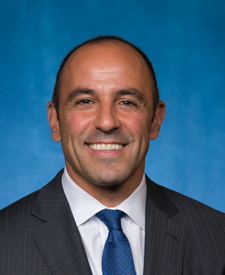



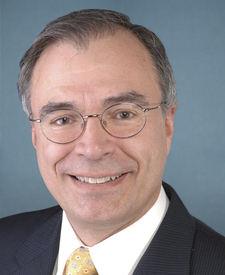
Legislative Progress
ReportedOrdered to be Reported in the Nature of a Substitute …
Committee Consideration and Mark-up Session Held
Committee Consideration and Mark-up Session Held
Forwarded by Subcommittee to Full Committee by Voice Vote.
Subcommittee Consideration and Mark-up Session Held
Mr. Panetta (for himself, Mr. Pfluger, Mr. Bilirakis, Mr. Pappas, …
Referred to the Committee on Energy and Commerce, and in …
Introduced in House
Referred to the Subcommittee on Health.
Stakeholder Effects
cui bono?How this legislation distributes effects. Mention counts reflect frequency, not effect magnitude.
Bill Structure & Actor Mappings
Who is "The Secretary" in each section?
We use a combination of our own taxonomy and classification in addition to large language models to assess meaning and potential beneficiaries. High confidence means strong textual evidence. Always verify with the original bill text.
Learn more about our methodology