USA Batteries Act
Analysis under review: This bill has generated analysis that may be too generic or incomplete. Clause-level evidence remains available below.
Summary
What This Bill Does
This bill, To amend the Internal Revenue Code of 1986 to eliminate lead oxide, antimony, and sulfuric acid as taxable chemicals under the Superfund excise taxes., changes federal law or congressional policy affecting technology companies and users of digital services. The main policy domain is Technology, Transportation, Trade.
Who Benefits and How
technology companies and users of digital services may benefit from new authority, funding, eligibility, regulatory clarity, or reduced risk created by the bill.
Who Bears the Burden and How
federal implementing agencies, technology companies and users of digital services may take on implementation duties, reporting obligations, compliance costs, or oversight responsibilities.
Key Provisions
- Section HD4F902FEBB44447B862558C9E2FB7379: 1. Short title This Act may be cited as the USA Batteries Act.
- Section HBDA4310D69C74E1E854527E463769E7A: 2. Findings Congress finds the following: The Superfund fee established in Public Law 117–58 makes American manufacturing less competitive by imposing a tax on...
- Section HD4D801CE9DF945A3B136EE41A1577784: 3. Elimination of lead oxide, antimony, and sulfuric acid as taxable chemicals under Superfund excise taxes The table in section 4661(b) of the Internal...
Evidence Chain:
This summary is generated from the full bill text using AI analysis. Expand "Detailed Analysis" below for identified beneficiaries/burden bearers with clause-level evidence links.
At a Glance
What This Bill Does
This bill, To amend the Internal Revenue Code of 1986 to eliminate lead oxide, antimony, and sulfuric acid as taxable chemicals under the Superfund excise taxes., changes federal law or congressional policy affecting technology companies and users of digital services.
Key Policy Areas
Technology, Transportation, Trade
Primary Purpose
This bill, To amend the Internal Revenue Code of 1986 to eliminate lead oxide, antimony, and sulfuric acid as taxable chemicals under the Superfund excise taxes., changes federal law or congressional policy affecting technology companies and users of digital services.
Policy Domains
Whole bill
Identified Gains
- technology companies and users of digital services
Identified Costs
- federal implementing agencies
- technology companies and users of digital services
Sponsors




Legislative Progress
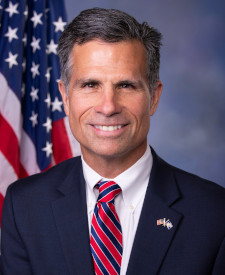
In CommitteeMr. Meuser (for himself, Mr. Moolenaar, Mr. Nehls, Mr. Fitzpatrick, …
Referred to the House Committee on Ways and Means.
Introduced in House
Impact analysis is available but no clear stakeholder effects identified. View clause-level analysis →
Bill Structure & Actor Mappings
Who is "The Secretary" in each section?
- "federal_implementing_agencies"
- → Federal agencies assigned duties by the bill
We use a combination of our own taxonomy and classification in addition to large language models to assess meaning and potential beneficiaries. High confidence means strong textual evidence. Always verify with the original bill text.
Learn more about our methodology