To require a strategy for bolstering engagement and cooperation between the United States, Australia, India, and Japan and to seek to establish a Quad Inter-Parliamentary Working Group to facilitate closer cooperation on shared interests and values.
Summary
What This Bill Does
The Strengthening the Quad Act states congressional support for deeper cooperation among the United States, Australia, India, and Japan on a free, open, inclusive, resilient, and healthy Indo-Pacific. It requires the Secretary of State to submit a Quad strategy to the House Foreign Affairs and Senate Foreign Relations Committees within 180 days, covering democratic leadership, current and past Quad initiatives, technology cooperation, energy innovation, climate, infrastructure, education, disaster management, critical minerals supply chains, global health security, security cooperation, intelligence sharing, economic partnerships, multilateral coordination, bureaucratic barriers, and needed authorities or resources. It also directs the Secretary to seek negotiations with Australia, India, and Japan to establish a Quad Inter-Parliamentary Working Group.
Who Benefits and How
The Department of State, U.S. Indo-Pacific diplomats, House Foreign Affairs Committee, Senate Foreign Relations Committee, U.S. International Development Finance Corporation, Australia, India, Japan, Indo-Pacific infrastructure partners, critical-minerals supply-chain planners, and democracy and maritime-security advocates benefit from a formal strategy and parliamentary channel for sustained Quad coordination. The working group gives Congress a regular structure for engagement with legislators from the other Quad countries.
Who Bears the Burden and How
The Secretary of State, State Department regional bureaus, U.S. embassies in Australia, India, and Japan, congressional leadership, House and Senate foreign-affairs staff, ethics committees, members appointed to the U.S. Group, and administrative staff must prepare the strategy, negotiate a written agreement, appoint up to 24 members, organize annual meetings, manage gifts or donated services, certify expenses, and report travel and meeting costs.
Key Provisions
- States congressional support for expanded Quad cooperation on Indo-Pacific security, public health, cyberspace, critical technologies, counterterrorism, infrastructure, disaster relief, maritime issues, and democratic resilience.
- Requires a State Department Quad strategy within 180 days for the appropriate congressional committees.
- Requires the strategy to describe current and past initiatives, barriers, recommendations, needed authorities, and needed resources.
- Directs the Secretary of State to seek negotiations with Australia, India, and Japan to establish a Quad Inter-Parliamentary Working Group.
- Creates a U.S. Group of up to 24 Members of Congress if a written agreement is reached.
- Requires annual meetings when possible and governs leadership appointments, gifts, expense certification, and reports.
Evidence Chain:
This summary is generated from the full bill text using AI analysis. Expand "Detailed Analysis" below for identified beneficiaries/burden bearers with clause-level evidence links.
At a Glance
What This Bill Does
Requires a State Department strategy within 180 days for strengthening Quad cooperation among the United States, Australia, India, and Japan and directs the Secretary of State to seek negotiations to establish a Quad Inter-Parliamentary Working Group with a 24-member U.S. congressional delegation.
Key Policy Areas
Foreign Affairs, Indo-Pacific, National Security, Congressional Operations
Primary Purpose
Requires a State Department strategy within 180 days for strengthening Quad cooperation among the United States, Australia, India, and Japan and directs the Secretary of State to seek negotiations to establish a Quad Inter-Parliamentary Working Group with a 24-member U.S. congressional delegation.
Policy Domains
Substantive provisions
Identified Gains
- Department of State
- U.S. Indo-Pacific diplomats
- House Foreign Affairs Committee
- Senate Foreign Relations Committee
- Australia
- India
- Japan
- Indo-Pacific infrastructure partners
Identified Costs
- Secretary of State
- State Department regional bureaus
- U.S. embassies in Quad countries
- Congressional leadership
- House foreign-affairs staff
- Senate foreign-relations staff
- Ethics committees
Sponsors
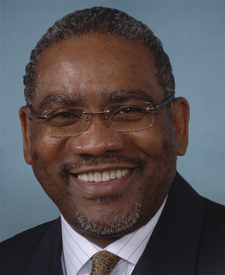
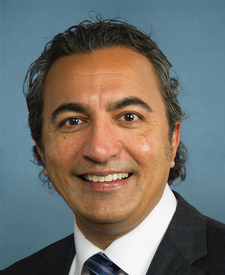
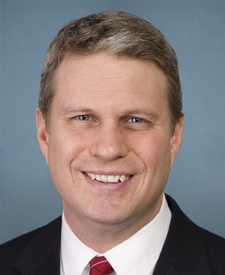

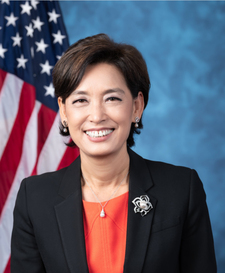
Legislative Progress
Passed HouseReceived; read twice and referred to the Committee on Foreign …
Passed House (inferred from eh version)
Mr. Meeks (for himself, Mrs. Kim, Mr. Bera, Mr. Huizenga, …
Stakeholder Effects
cui bono?How this legislation distributes effects. Mention counts reflect frequency, not effect magnitude.
Department of State, House Foreign Affairs Committee, Members of Congress appointed to U.S. Group
House Foreign Affairs Committee, Senate Foreign Relations Committee face effects in multiple directions
Positive-direction: U.S. International Development Finance Corporation
Negative-direction: Department of State, Members of Congress appointed to U.S. Group, Secretary of State
On Motion to Suspend the Rules and Pass
Strengthening the Quad Act
Bill Structure & Actor Mappings
Who is "The Secretary" in each section?
- "quad"
- → Quadrilateral Dialogue among the United States, Australia, India, and Japan.
We use a combination of our own taxonomy and classification in addition to large language models to assess meaning and potential beneficiaries. High confidence means strong textual evidence. Always verify with the original bill text.
Learn more about our methodology