To amend title XVIII of the Social Security Act to require that coinsurance for drugs under Medicare part D be based on the drug’s actual acquisition cost and not the drug’s wholesale acquisition cost.
Analysis under review: This bill has generated analysis that may be too generic or incomplete. Clause-level evidence remains available below.
Summary
What This Bill Does
The bill mandates that Medicare Part D prescription drug plan sponsors calculate coinsurance based on actual acquisition cost (negotiated price net of manufacturer rebates/concessions) rather than wholesale acquisition cost when. It relies on compliance mandates, definition changes, and product standards. The main policy areas are Healthcare, Finance, and Trade.
Who Benefits and How
The available clause analysis does not identify a specific beneficiary group.
Who Bears the Burden and How
Pharmacy Benefit Managers (PBMs) administering Medicare Part D plans could lose revenue opportunities and Medicare Part D prescription drug plan sponsors (standalone PDPs and MA-PD plans) would take on compliance duties.
Key Provisions
- Mandates that Medicare Part D prescription drug plan sponsors calculate coinsurance based on actual acquisition cost (negotiated price net of manufacturer rebates/concessions) rather than wholesale acquisition cost when...
Evidence Chain:
This summary is generated from the full bill text using AI analysis. Expand "Detailed Analysis" below for identified beneficiaries/burden bearers with clause-level evidence links.
At a Glance
What This Bill Does
The bill mandates that Medicare Part D prescription drug plan sponsors calculate coinsurance based on actual acquisition cost (negotiated price net of manufacturer rebates/concessions) rather than wholesale acquisition cost when.
Key Policy Areas
Healthcare, Finance, Trade
Primary Purpose
The bill mandates that Medicare Part D prescription drug plan sponsors calculate coinsurance based on actual acquisition cost (negotiated price net of manufacturer rebates/concessions) rather than wholesale acquisition cost when.
Policy Domains
Full Bill - Medicare Part D Coinsurance
Identified Costs
- Pharmacy Benefit Managers (PBMs) administering Medicare Part D plans
- Medicare Part D prescription drug plan sponsors (standalone PDPs and MA-PD plans)
Sponsors
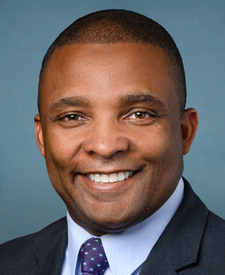
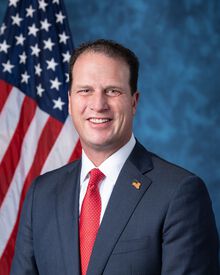
Legislative Progress
IntroducedMr. Davis of North Carolina (for himself and Mr. Pfluger) …
Stakeholder Effects
cui bono?How this legislation distributes effects. Mention counts reflect frequency, not effect magnitude.
Pharmacy Benefit Managers (PBMs) administering Medicare Part D plans
Medicare Part D prescription drug plan sponsors (standalone PDPs and MA-PD plans)
Bill Structure & Actor Mappings
Who is "The Secretary" in each section?
- "cms"
- → Centers for Medicare & Medicaid Services
- "plan_sponsors"
- → Prescription drug plan (PDP) and MA-PD plan sponsors
- "the_secretary"
- → Secretary of Health and Human Services
Key Definitions
Terms defined in this bill
The negotiated price of the covered part D drug under the prescription drug plan or MA-PD plan, net of any manufacturer-provided price concessions (as defined under section 423.100 of title 42, Code of Federal Regulations), as reported for such drug in the Detailed DIR Report submitted by the sponsor or organization offering the plan for the previous plan year.
Report submitted by plan sponsors showing Direct and Indirect Remuneration (rebates, discounts, and other price concessions) received from manufacturers.
Drugs described in subsection (b)(8) (catastrophic coverage) or (b)(9) (applicable beneficiaries under manufacturer discount program) are excluded from the actual acquisition cost requirement.
We use a combination of our own taxonomy and classification in addition to large language models to assess meaning and potential beneficiaries. High confidence means strong textual evidence. Always verify with the original bill text.
Learn more about our methodology