National Statistics on Deadly Force Transparency Act of 2025
Summary
What This Bill Does
The National Statistics on Deadly Force Transparency Act creates a federal framework for collecting data on law enforcement use of deadly force. Within six months, the Attorney General must issue regulations, after consulting law enforcement, community, professional, research, and civil rights stakeholders, requiring data collection for all uses of deadly force by federal, state, or local officers. The data must include characteristics of the target and officer, date, time, location, alleged criminal activity, nature of force including firearm use, and any officer explanation. The bill protects names and identifying information from public release, most disclosure, and FOIA. It enforces compliance by reducing a state or local government's Byrne JAG grant by 10 percent in the next fiscal year after substantial reporting failure.
Who Benefits and How
Civil rights researchers benefit from more consistent national data on police use of deadly force. Communities affected by deadly force benefit from transparency about patterns, demographics, locations, and explanations. The Attorney General benefits from regulatory authority to standardize deadly-force reporting. Congressional oversight committees benefit from comparable data across federal, state, and local law enforcement.
Who Bears the Burden and How
State law enforcement agencies must collect and report deadly-force data under federal regulations. Local police departments risk a 10 percent Byrne JAG grant reduction for substantial reporting failures. Justice Department statisticians must compile sensitive data while protecting names and identifying information. Law enforcement officers may face greater public scrutiny even though identifying information is not publicly released.
Key Provisions
- Requires Attorney General regulations for collecting data on every use of deadly force by federal, state, or local officers.
- Requires data on demographics, location, alleged criminal activity, nature of force, firearm use, and officer explanations.
- Protects names and identifying information from public release, most disclosure, and FOIA.
- Reduces Byrne JAG grants by 10 percent for substantial state or local reporting failures.
Evidence Chain:
This summary is generated from the full bill text using AI analysis. Expand "Detailed Analysis" below for identified beneficiaries/burden bearers with clause-level evidence links.
At a Glance
What This Bill Does
Requires Attorney General regulations for national deadly-force data collection, protects identifying information from public release, and reduces Byrne JAG grants by 10 percent for substantial reporting failures.
Key Policy Areas
Public Safety, Civil Rights, Law Enforcement
Primary Purpose
Requires Attorney General regulations for national deadly-force data collection, protects identifying information from public release, and reduces Byrne JAG grants by 10 percent for substantial reporting failures.
Policy Domains
Resolution provisions
Identified Gains
- Civil rights researchers
- Communities affected by deadly force
- Attorney General
- Congressional oversight committees
Identified Costs
- State law enforcement agencies
- Local police departments
- Justice Department statisticians
- Law enforcement officers
Sponsors
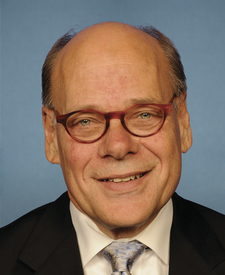
Legislative Progress
In CommitteeMr. Cohen introduced the following bill; which was referred to …
Introduced in House
Referred to the House Committee on the Judiciary.
Stakeholder Effects
cui bono?How this legislation distributes effects. Mention counts reflect frequency, not effect magnitude.
Bill Structure & Actor Mappings
Who is "The Secretary" in each section?
We use a combination of our own taxonomy and classification in addition to large language models to assess meaning and potential beneficiaries. High confidence means strong textual evidence. Always verify with the original bill text.
Learn more about our methodology