FIRM Act of 2025
Summary
What This Bill Does
The FIRM Act of 2025 adds Immigration and Nationality Act section 281A. The Secretary of State must increase B-visa application fees for nationals of countries that meet specified risk or cooperation criteria: DHS has reported the government denied or unreasonably delayed accepting a returnee under section 243(d), the country is designated as a state sponsor of international terrorism, or the country is listed as Tier 3 in the most recent Trafficking in Persons report. The fee increase is at least 50 percent if one criterion applies, at least 100 percent if two apply, and at least 150 percent if all three apply. The Secretary must review determinations on the first day of each month to reduce fees or add countries.
Who Benefits and How
U.S. immigration enforcement officials benefit because fee pressure gives foreign governments a financial incentive to accept removals. Anti-trafficking advocates benefit because Tier 3 trafficking countries face a direct visa-fee consequence. Counterterrorism policymakers benefit because state sponsors of terrorism face higher costs for their nationals' B-visa applications. The State Department benefits from a monthly review mechanism to adjust country fee treatment.
Who Bears the Burden and How
B-visa applicants from covered countries must pay higher application fees. Foreign governments that delay repatriation face pressure from their nationals and travel sectors over fee hikes. State Department consular systems must calculate country-specific 50, 100, or 150 percent fee increases and monthly changes. Travel businesses serving affected countries may lose visitor demand when visa costs rise.
Key Provisions
- Adds a new INA fee-increase rule for B-visa applicants from covered countries.
- Requires at least a 50 percent fee increase when one country criterion applies.
- Requires at least 100 or 150 percent increases when two or three criteria apply.
- Requires monthly State Department review to reduce increases or add newly covered countries.
Evidence Chain:
This summary is generated from the full bill text using AI analysis. Expand "Detailed Analysis" below for identified beneficiaries/burden bearers with clause-level evidence links.
At a Glance
What This Bill Does
Raises B-visa application fees by at least 50, 100, or 150 percent for nationals of countries that delay repatriation, sponsor terrorism, or receive Tier 3 trafficking ratings.
Key Policy Areas
Immigration, Foreign Affairs, Fees
Primary Purpose
Raises B-visa application fees by at least 50, 100, or 150 percent for nationals of countries that delay repatriation, sponsor terrorism, or receive Tier 3 trafficking ratings.
Policy Domains
Resolution provisions
Identified Gains
- Immigration enforcement officials
- Anti-trafficking advocates
- Counterterrorism policymakers
- State Department
Identified Costs
- B-visa applicants from covered countries
- Foreign governments delaying repatriation
- Consular systems
- Travel businesses
Sponsors
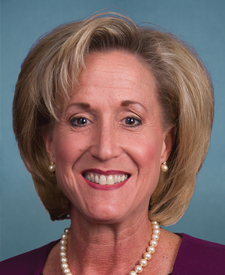

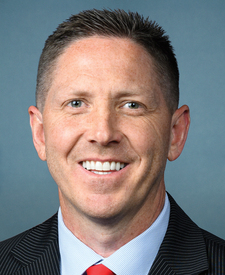
Legislative Progress
In CommitteeMrs. Wagner (for herself and Mr. Gill of Texas) introduced …
Referred to the House Committee on the Judiciary.
Introduced in House
Stakeholder Effects
cui bono?How this legislation distributes effects. Mention counts reflect frequency, not effect magnitude.
Immigration enforcement officials, State Department consular systems
Bill Structure & Actor Mappings
Who is "The Secretary" in each section?
We use a combination of our own taxonomy and classification in addition to large language models to assess meaning and potential beneficiaries. High confidence means strong textual evidence. Always verify with the original bill text.
Learn more about our methodology