Orphan Well Grant Flexibility Act of 2025
Summary
What This Bill Does
The Orphan Well Grant Flexibility Act of 2025 changes Energy Policy Act orphaned-well grant rules. It clarifies that a state is not required to measure methane emissions or conduct listed monitoring activities as a condition of grant eligibility, although states may use grant funding for pre-plugging or post-plugging monitoring and estimates. It then directs Interior to seek a National Academies study of how orphaned-well plugging and remediation affects economic development, housing trends, water quality, and other community benefits in areas where many sites were reclaimed, with at least one state from each U.S. region included if practicable.
Who Benefits and How
State orphan-well programs benefit because grant eligibility is not conditioned on methane-measurement activities. States with limited monitoring capacity benefit from flexibility to plug wells without first building emissions measurement systems. Communities near reclaimed wells benefit if the National Academies study documents economic, housing, water-quality, or other benefits. Oilfield remediation contractors benefit if states can move grant-funded plugging work forward with fewer monitoring prerequisites.
Who Bears the Burden and How
The Department of the Interior must update grant guidance and seek the National Academies study within 180 days. National Academies researchers must design a regional study of community effects from plugging and remediation. Methane-monitoring advocates may lose leverage to require emissions measurement before states receive grants. Federal grant overseers must accept estimates that may be based on optional pre- or post-plugging data.
Key Provisions
- Clarifies that methane measurement is not required for state orphan-well grant eligibility.
- Allows estimates to use optional pre-plugging or post-plugging monitoring data.
- Requires Interior to seek a National Academies community-impact study within 180 days.
- Requires the study to examine economic development, housing trends, water quality, and other benefits across regions.
Evidence Chain:
This summary is generated from the full bill text using AI analysis. Expand "Detailed Analysis" below for identified beneficiaries/burden bearers with clause-level evidence links.
At a Glance
What This Bill Does
Clarifies that states do not have to measure methane emissions to receive orphan-well grants and requires a National Academies study of community impacts from well plugging and remediation.
Key Policy Areas
Energy, Environment, Federal Grants
Primary Purpose
Clarifies that states do not have to measure methane emissions to receive orphan-well grants and requires a National Academies study of community impacts from well plugging and remediation.
Policy Domains
Resolution provisions
Identified Gains
- State orphan-well programs
- States with limited monitoring capacity
- Communities near reclaimed wells
- Oilfield remediation contractors
Identified Costs
- Department of the Interior
- National Academies researchers
- Methane-monitoring advocates
- Federal grant overseers
Sponsors
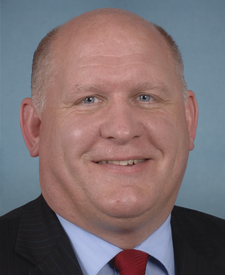
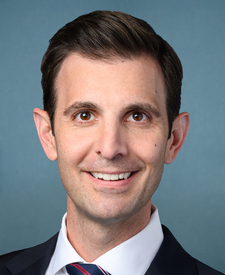

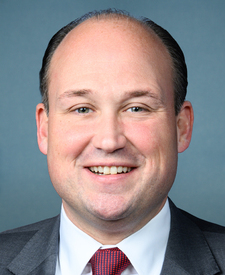
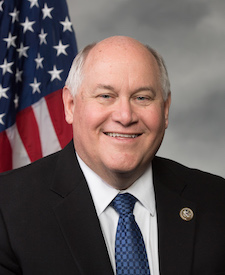
Legislative Progress
In CommitteeMr. Thompson of Pennsylvania (for himself and Mr. Deluzio) introduced …
Referred to the House Committee on Natural Resources.
Introduced in House
Stakeholder Effects
cui bono?How this legislation distributes effects. Mention counts reflect frequency, not effect magnitude.
Bill Structure & Actor Mappings
Who is "The Secretary" in each section?
We use a combination of our own taxonomy and classification in addition to large language models to assess meaning and potential beneficiaries. High confidence means strong textual evidence. Always verify with the original bill text.
Learn more about our methodology