Stop Human Trafficking of Unaccompanied Migrant Children Act of 2025
Summary
What This Bill Does
The Stop Human Trafficking of Unaccompanied Migrant Children Act of 2025 creates mandatory sponsor vetting before an unaccompanied alien child can be released from HHS custody. The sponsor must complete, to the satisfaction of HHS and the applicable state child welfare agency, and in consultation with the Attorney General and Homeland Security Secretary, a vetting process that includes public records checks, National Sex Offender Registry checks, FBI fingerprint-based criminal history checks, state-by-state child abuse and neglect checks, state criminal history repository checks, and local police records checks. The policy is aimed at preventing child trafficking and unsafe placements, but it can also slow sponsor release and lengthen federal custody.
Who Benefits and How
Unaccompanied children benefit if more thorough sponsor screening prevents placement with traffickers, abusers, or unsafe adults. State child welfare agencies benefit from a formal role in approving sponsor vetting before release. Child-protection advocates benefit from mandatory sex-offender, criminal-history, and abuse-and-neglect checks. HHS placement officers benefit from a statutory checklist for sponsor approval.
Who Bears the Burden and How
Sponsors must complete fingerprinting, public records, sex-offender, FBI, child-abuse, state, and local police checks. HHS must coordinate vetting with state child welfare agencies, the Attorney General, and DHS before release. Unaccompanied children may remain in federal custody longer while sponsor checks are completed. State and local law enforcement agencies must provide records support for sponsor screening.
Key Provisions
- Requires sponsor vetting before HHS releases an unaccompanied child from federal custody.
- Mandates fingerprint-based FBI criminal history checks and National Sex Offender Registry checks.
- Requires state-by-state child abuse and neglect checks plus state and local police records checks.
- Directs HHS to satisfy both federal and applicable state child welfare review before placement.
Evidence Chain:
This summary is generated from the full bill text using AI analysis. Expand "Detailed Analysis" below for identified beneficiaries/burden bearers with clause-level evidence links.
At a Glance
What This Bill Does
Requires fingerprint background checks, sex-offender checks, FBI criminal history checks, child-abuse checks, and state or local police records checks before HHS releases unaccompanied children to sponsors.
Key Policy Areas
Immigration, Child Welfare, Public Safety
Primary Purpose
Requires fingerprint background checks, sex-offender checks, FBI criminal history checks, child-abuse checks, and state or local police records checks before HHS releases unaccompanied children to sponsors.
Policy Domains
Resolution provisions
Identified Gains
- Unaccompanied children
- State child welfare agencies
- Child-protection advocates
- HHS placement officers
Identified Costs
- Sponsors
- HHS
- Children awaiting release
- State law enforcement agencies
Sponsors
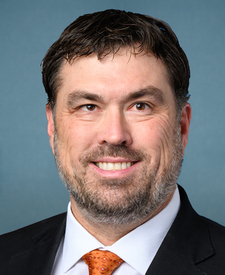

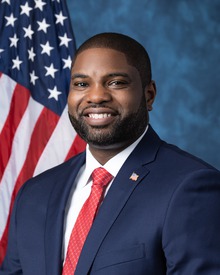
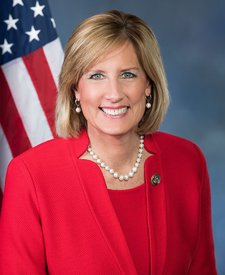
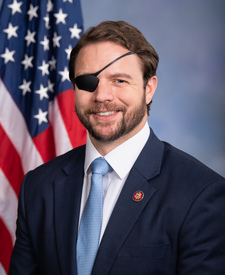
Legislative Progress
In CommitteeSponsor introductory remarks on measure. (CR H668)
Mr. Luttrell (for himself, Ms. Tenney, Mr. Scott Franklin of …
Referred to the House Committee on the Judiciary.
Introduced in House
Stakeholder Effects
cui bono?How this legislation distributes effects. Mention counts reflect frequency, not effect magnitude.
Sponsors, Unaccompanied children
Positive-direction: Unaccompanied children
Negative-direction: Sponsors
Bill Structure & Actor Mappings
Who is "The Secretary" in each section?
We use a combination of our own taxonomy and classification in addition to large language models to assess meaning and potential beneficiaries. High confidence means strong textual evidence. Always verify with the original bill text.
Learn more about our methodology