Police CAMERA Act of 2025
Summary
What This Bill Does
The Police CAMERA Act of 2025 creates a body-worn camera matching grant program in the Omnibus Crime Control and Safe Streets Act. The Bureau of Justice Assistance may award two-year grants directly to states, local governments, and Indian Tribes to buy or lease body-worn cameras and cover implementation costs. Half of the grant is paid up front and the rest after recipients complete required program steps. BJA must maintain a training and technical-assistance toolkit, issue regulations within 90 days, and conduct a post-grant study on excessive force, accountability, complaints, officer safety, public safety, evidence collection, secure storage, privacy, constitutional issues, facial recognition, public access to footage, and training needs.
Who Benefits and How
State law enforcement agencies benefit from federal matching funds for body-worn cameras and implementation expenses. Local police departments benefit from grants, model policies, and technical assistance for camera programs. Indian Tribes benefit because tribal law enforcement agencies are eligible grant recipients. People filing excessive-force complaints benefit if body-camera footage improves evidence, accountability, and complaint adjudication.
Who Bears the Burden and How
The Bureau of Justice Assistance must administer grants, disburse staged payments, issue regulations, maintain a toolkit, and run the study. Grant recipients must meet application, implementation, training, storage, privacy, and reporting requirements. Law enforcement officers must use cameras under agency policy and manage privacy and footage obligations during patrol. Civil-liberties advocates must monitor body-camera programs for facial recognition, public access, and constitutional-rights risks.
Key Provisions
- Establishes two-year matching grants for body-worn cameras and implementation costs.
- Authorizes direct grants to states, local governments, and Indian Tribes.
- Requires a BJA body-worn camera training and technical-assistance toolkit.
- Requires regulations within 90 days and a study after grants are awarded.
Evidence Chain:
This summary is generated from the full bill text using AI analysis. Expand "Detailed Analysis" below for identified beneficiaries/burden bearers with clause-level evidence links.
At a Glance
What This Bill Does
Creates a Bureau of Justice Assistance matching grant program for law enforcement body-worn cameras, implementation costs, training tools, regulations, and a two-year study.
Key Policy Areas
Public Safety, Law Enforcement, Civil Rights
Primary Purpose
Creates a Bureau of Justice Assistance matching grant program for law enforcement body-worn cameras, implementation costs, training tools, regulations, and a two-year study.
Policy Domains
Resolution provisions
Identified Gains
- State law enforcement agencies
- Local police departments
- Indian Tribes
- Excessive-force complainants
Identified Costs
- Bureau of Justice Assistance
- Grant recipients
- Law enforcement officers
- Civil-liberties advocates
Sponsors
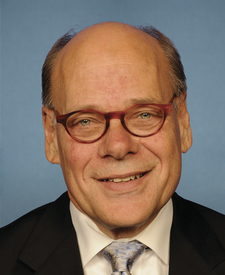
Legislative Progress
In CommitteeMr. Cohen introduced the following bill; which was referred to …
Referred to the House Committee on the Judiciary.
Introduced in House
Stakeholder Effects
cui bono?How this legislation distributes effects. Mention counts reflect frequency, not effect magnitude.
Law enforcement officers, Local police departments
Positive-direction: Local police departments
Negative-direction: Law enforcement officers
Bureau of Justice Assistance, Indian Tribes
Positive-direction: Indian Tribes
Negative-direction: Bureau of Justice Assistance
Bill Structure & Actor Mappings
Who is "The Secretary" in each section?
We use a combination of our own taxonomy and classification in addition to large language models to assess meaning and potential beneficiaries. High confidence means strong textual evidence. Always verify with the original bill text.
Learn more about our methodology