Human Trafficking and Exploitation Prevention Training Act
Summary
What This Bill Does
The Human Trafficking and Exploitation Prevention Training Act adds a school-based demonstration project to the Public Health Service Act. The Director of the Office on Trafficking in Persons within the Administration for Children and Families must train students, teachers, and school personnel at elementary and secondary schools to understand, recognize, prevent, and respond to signs of human trafficking and exploitation in children and youth. The project includes approved vendors, grants, and privacy-protective data collection from vendors and grantees. The findings identify trafficking risk across child welfare, juvenile justice, runaway and homeless youth, unaccompanied children, American Indians and Alaska Natives, migrant laborers, people with disabilities, LGBTI individuals, limited-English-proficient people, and other vulnerable groups.
Who Benefits and How
Students at participating schools benefit because adults and peers receive training to identify trafficking and exploitation warning signs. Trafficking survivors and at-risk youth benefit if schools detect abuse earlier and connect children to protection or services. Teachers and school personnel benefit from approved training materials and clearer response protocols. State and local education agencies benefit from grant support for prevention training rather than building programs alone.
Who Bears the Burden and How
The Office on Trafficking in Persons must approve vendors, award grants, oversee data collection, and administer the demonstration. School grantees must train staff and students while protecting individually identifiable information. Training vendors must meet federal approval and reporting requirements. Federal taxpayers bear the cost of grants and administration for the demonstration project.
Key Provisions
- Establishes a demonstration project for human trafficking and child exploitation prevention training in schools.
- Requires training for students, teachers, and school personnel to recognize and respond to trafficking signs.
- Authorizes approved vendors and grants to support school-based training.
- Requires privacy-protective data collection from vendors and grantees.
Evidence Chain:
This summary is generated from the full bill text using AI analysis. Expand "Detailed Analysis" below for identified beneficiaries/burden bearers with clause-level evidence links.
At a Glance
What This Bill Does
Creates a demonstration project to train students, teachers, and school personnel to recognize, prevent, and respond to human trafficking and child exploitation.
Key Policy Areas
Education, Human Trafficking, Child Welfare
Primary Purpose
Creates a demonstration project to train students, teachers, and school personnel to recognize, prevent, and respond to human trafficking and child exploitation.
Policy Domains
Resolution provisions
Identified Gains
- Students at participating schools
- Trafficking survivors
- Teachers and school personnel
- State education agencies
Identified Costs
- Office on Trafficking in Persons
- School grantees
- Training vendors
- Federal taxpayers
Sponsors
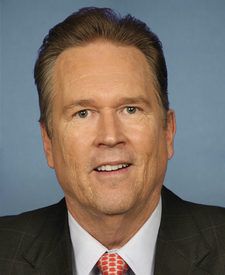

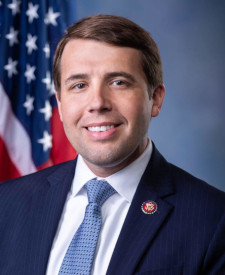
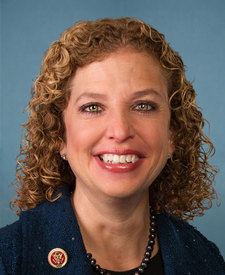
Legislative Progress
In CommitteeMr. Buchanan (for himself and Ms. Wasserman Schultz) introduced the …
Referred to the House Committee on Energy and Commerce.
Introduced in House
Stakeholder Effects
cui bono?How this legislation distributes effects. Mention counts reflect frequency, not effect magnitude.
Students at participating schools, Training vendors
Bill Structure & Actor Mappings
Who is "The Secretary" in each section?
We use a combination of our own taxonomy and classification in addition to large language models to assess meaning and potential beneficiaries. High confidence means strong textual evidence. Always verify with the original bill text.
Learn more about our methodology