Medicaid Primary Care Improvement Act
Summary
What This Bill Does
The Medicaid Primary Care Improvement Act clarifies that title XIX does not prohibit a state Medicaid plan, waiver, or Medicaid managed care organization from providing primary care through a direct primary care arrangement. The arrangement must provide medical assistance consisting solely of primary care services furnished by primary care practitioners, with compensation through a fixed periodic fee. The bill also requires HHS to convene at least one virtual open-door meeting within one year to gather input from primary care providers, states, managed care organizations, and other stakeholders on direct primary care in Medicaid.
Who Benefits and How
State Medicaid agencies benefit because they receive clear federal permission to test direct primary care payment models. Medicaid managed care organizations benefit from authority to include fixed-fee primary care arrangements in value-based designs. Primary care clinicians benefit if states create predictable periodic payment streams for Medicaid primary care. Medicaid beneficiaries benefit if direct primary care improves access to routine primary care without changing Medicaid eligibility.
Who Bears the Burden and How
HHS and CMS must convene an open-door meeting and respond to implementation questions from states and providers. State Medicaid administrators must design plan or waiver language and monitor fixed-fee primary care arrangements. Managed care compliance teams must ensure direct primary care contracts remain limited to covered primary care services. Federal Medicaid budget officials must track spending effects if fixed periodic fees change utilization or payment patterns.
Key Provisions
- Clarifies that Medicaid may cover primary care through direct primary care arrangements.
- Defines the arrangement as fixed periodic compensation for primary care services only.
- Allows states to use the model through state plans, waivers, or Medicaid managed care organizations.
- Requires HHS to seek stakeholder input through a virtual open-door meeting within one year.
Evidence Chain:
This summary is generated from the full bill text using AI analysis. Expand "Detailed Analysis" below for identified beneficiaries/burden bearers with clause-level evidence links.
At a Glance
What This Bill Does
Clarifies that Medicaid programs may cover primary care through direct primary care arrangements, including value-based state arrangements.
Key Policy Areas
Health Care, Medicaid, Primary Care
Primary Purpose
Clarifies that Medicaid programs may cover primary care through direct primary care arrangements, including value-based state arrangements.
Policy Domains
Resolution provisions
Identified Gains
- State Medicaid agencies
- Medicaid managed care organizations
- Primary care clinicians
- Medicaid beneficiaries
Identified Costs
- HHS and CMS
- State Medicaid administrators
- Managed care compliance teams
- Federal Medicaid budget officials
Sponsors




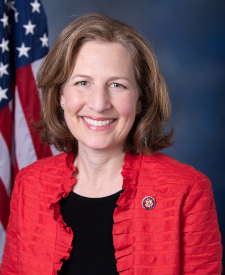
Legislative Progress
In CommitteeMr. Crenshaw (for himself, Ms. Schrier, Mr. Smucker, and Ms. …
Referred to the House Committee on Energy and Commerce.
Introduced in House
Stakeholder Effects
cui bono?How this legislation distributes effects. Mention counts reflect frequency, not effect magnitude.
Managed care compliance teams, Primary care clinicians
Positive-direction: Primary care clinicians
Negative-direction: Managed care compliance teams
Bill Structure & Actor Mappings
Who is "The Secretary" in each section?
We use a combination of our own taxonomy and classification in addition to large language models to assess meaning and potential beneficiaries. High confidence means strong textual evidence. Always verify with the original bill text.
Learn more about our methodology