Stopping Border Surges Act
Summary
What This Bill Does
The Stopping Border Surges Act is a broad immigration-enforcement bill. It expands repatriation rules for unaccompanied alien children beyond contiguous-country cases, permits more family detention and restricts release to a lawfully present parent or legal guardian, narrows special immigrant juvenile eligibility, raises credible-fear screening by requiring that statements are probably true and that asylum eligibility is more likely than not, creates a safe-third-country-style transit bar, terminates asylum status when an asylee returns to the home country without changed conditions or a waiver, directs use of anti-fraud work product, and increases asylum-fraud penalties to up to ten years.
Who Benefits and How
DHS immigration enforcement offices benefit from stronger statutory tools for detention, removal, screening, and anti-fraud work. Border-security advocates benefit because the bill reduces release pathways and raises eligibility thresholds at the border. U.S. communities concerned about irregular migration benefit if faster repatriation and tougher screening reduce border surges. Federal prosecutors benefit from a higher asylum-fraud penalty that supports more serious charging options.
Who Bears the Burden and How
Asylum seekers bear the burden of a higher credible-fear threshold and a transit bar after passing through third countries. Unaccompanied children face broader repatriation rules and narrower protections than under current trafficking-screening law. Families arriving at the border face expanded detention and more limited release options. Immigration judges, asylum officers, and child-welfare screeners must apply more complex restrictions and documentation rules.
Key Provisions
- Expands repatriation rules for unaccompanied alien children beyond contiguous-country cases.
- Restricts family release and authorizes broader detention standards for family units.
- Raises credible-fear and asylum eligibility screening standards and creates transit-based limits.
- Strengthens asylum-fraud enforcement with anti-fraud evidence and higher criminal penalties.
Evidence Chain:
This summary is generated from the full bill text using AI analysis. Expand "Detailed Analysis" below for identified beneficiaries/burden bearers with clause-level evidence links.
At a Glance
What This Bill Does
Tightens asylum, unaccompanied-child, family-detention, special-immigrant-juvenile, safe-third-country, and asylum-fraud rules at the border.
Key Policy Areas
Immigration, Border Security, Public Safety
Primary Purpose
Tightens asylum, unaccompanied-child, family-detention, special-immigrant-juvenile, safe-third-country, and asylum-fraud rules at the border.
Policy Domains
Resolution provisions
Identified Gains
- DHS immigration enforcement offices
- Border-security advocates
- Communities concerned about irregular migration
- Federal prosecutors
Identified Costs
- Asylum seekers
- Unaccompanied children
- Families arriving at the border
- Immigration judges
Sponsors


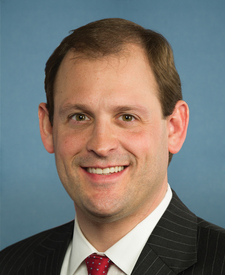
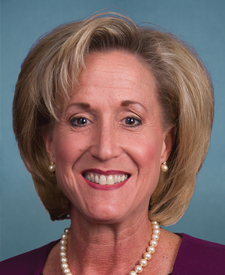
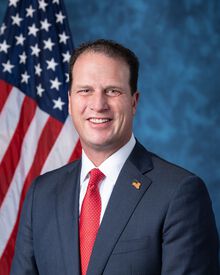
Legislative Progress
In CommitteeMr. Biggs of Arizona introduced the following bill; which was …
Referred to the Committee on the Judiciary, and in addition …
Introduced in House
Stakeholder Effects
cui bono?How this legislation distributes effects. Mention counts reflect frequency, not effect magnitude.
Asylum seekers, Border-security advocates, Unaccompanied children
Positive-direction: Border-security advocates
Negative-direction: Asylum seekers, Unaccompanied children
Bill Structure & Actor Mappings
Who is "The Secretary" in each section?
We use a combination of our own taxonomy and classification in addition to large language models to assess meaning and potential beneficiaries. High confidence means strong textual evidence. Always verify with the original bill text.
Learn more about our methodology