To amend the Internal Revenue Code of 1986 to allow individuals with direct medical care service arrangement to remain eligible individuals for purposes of health savings accounts, and for other purposes.
Analysis under review: This bill has generated analysis that may be too generic or incomplete. Clause-level evidence remains available below.
Summary
What This Bill Does
The bill requires allows individuals with direct primary care (DPC) arrangements to remain eligible for Health Savings Accounts by excluding DPC fees from disqualifying health coverage. Also requires employer reporting of DPC. It relies on exemptions and reporting requirements. The main policy areas are Healthcare and Finance.
Who Benefits and How
Direct primary care practices and physicians offering membership-based medical services could gain revenue opportunities and Patients/consumers who want to use both DPC arrangements and HSAs simultaneously could see lower costs.
Who Bears the Burden and How
Employers offering DPC arrangements as employee benefits would take on compliance duties.
Key Provisions
- Requires allows individuals with direct primary care (DPC) arrangements to remain eligible for Health Savings Accounts by excluding DPC fees from disqualifying health coverage. Also requires employer reporting of DPC...
Evidence Chain:
This summary is generated from the full bill text using AI analysis. Expand "Detailed Analysis" below for identified beneficiaries/burden bearers with clause-level evidence links.
At a Glance
What This Bill Does
The bill requires allows individuals with direct primary care (DPC) arrangements to remain eligible for Health Savings Accounts by excluding DPC fees from disqualifying health coverage. Also requires employer reporting of DPC.
Key Policy Areas
Healthcare, Finance
Primary Purpose
The bill requires allows individuals with direct primary care (DPC) arrangements to remain eligible for Health Savings Accounts by excluding DPC fees from disqualifying health coverage. Also requires employer reporting of DPC.
Policy Domains
Section 1 - Short Title
Identified Gains
- Direct primary care practices and physicians offering membership-based medical services
- Patients/consumers who want to use both DPC arrangements and HSAs simultaneously
Identified Costs
- Employers offering DPC arrangements as employee benefits
Sponsors
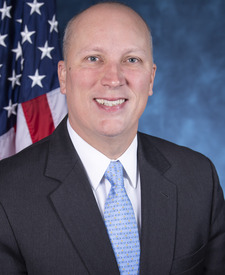

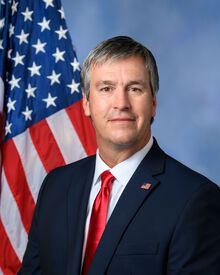
Legislative Progress
IntroducedMr. Roy (for himself, Mr. Biggs of Arizona, and Mr. …
Stakeholder Effects
cui bono?How this legislation distributes effects. Mention counts reflect frequency, not effect magnitude.
Direct primary care practices and physicians offering membership-based medical services
Patients/consumers who want to use both DPC arrangements and HSAs simultaneously
Employers offering DPC arrangements as employee benefits
Bill Structure & Actor Mappings
Who is "The Secretary" in each section?
- "the_secretary"
- → Secretary of the Treasury (implied by IRC amendments)
Key Definitions
Terms defined in this bill
An arrangement under which an individual is provided medical care by medical care practitioners where the sole compensation is a fixed periodic fee. Can be restricted to any subset of medical care or practitioners (e.g., primary care only).
Has the meaning given in IRC section 213(d) (generally: diagnosis, cure, mitigation, treatment, or prevention of disease)
A physician (as defined in Social Security Act section 1861(r)(1)), or a nurse practitioner, clinical nurse specialist, or physician assistant (as defined in Social Security Act section 1861(aa)(5)).
We use a combination of our own taxonomy and classification in addition to large language models to assess meaning and potential beneficiaries. High confidence means strong textual evidence. Always verify with the original bill text.
Learn more about our methodology