To authorize the Administrator of the Environmental Protection Agency to waive application of certain requirements with respect to processing and refining a critical energy resource at a critical energy resource facility, and for other purposes.
Analysis under review: This bill has generated analysis that may be too generic or incomplete. Clause-level evidence remains available below.
Summary
What This Bill Does
This bill allows the EPA Administrator to temporarily waive Clean Air Act and hazardous waste regulations for energy facilities when there is a national security or energy security need. The waivers last up to 90 days but can be renewed indefinitely. It creates a new pathway for energy facilities to bypass environmental compliance during emergencies.
Who Benefits and How
Oil refineries, natural gas processing plants, and other critical energy facilities benefit by gaining the ability to operate without meeting normal environmental permit requirements during declared emergencies. These facilities receive liability protection from civil and criminal penalties, as well as protection from citizen lawsuits for any violations that occur under a waiver.
Who Bears the Burden and How
Communities near critical energy facilities may face increased pollution exposure when environmental requirements are waived. Environmental enforcement agencies lose enforcement authority during waiver periods. Environmental advocacy groups lose their ability to bring citizen suits against facilities operating under waivers.
Key Provisions
- EPA Administrator can waive Clean Air Act requirements for critical energy resource facilities during emergencies
- New Section 3025 added to Solid Waste Disposal Act creating parallel waiver authority for RCRA hazardous waste requirements
- Liability shield protects facilities from civil, criminal, and citizen suit enforcement for actions taken under waivers
- Waivers expire after 90 days but can be renewed repeatedly
Evidence Chain:
This summary is generated from the full bill text using AI analysis. Expand "Detailed Analysis" below for identified beneficiaries/burden bearers.
At a Glance
What This Bill Does
Authorizes the EPA Administrator to temporarily waive Clean Air Act and Solid Waste Disposal Act requirements for critical energy resource facilities during national security or energy security emergencies.
Key Policy Areas
Energy, Environment, National Security
Primary Purpose
Authorizes the EPA Administrator to temporarily waive Clean Air Act and Solid Waste Disposal Act requirements for critical energy resource facilities during national security or energy security emergencies.
Policy Domains
Section 1 - Clean Air Act Waivers
Identified Gains
Contextual inference, no direct clause citation- Oil & gas refineries
- Natural gas processing plants
- Critical energy infrastructure operators
Contextual inference, no direct clause citation
Identified Costs
Contextual inference, no direct clause citation- Fenceline communities
- Environmental regulators
- Environmental advocacy organizations
Contextual inference, no direct clause citation
Section 3025 - Solid Waste Disposal Act Waivers
Identified Gains
Contextual inference, no direct clause citation- Oil & gas refineries
- Natural gas processing plants
- Critical energy infrastructure operators
Contextual inference, no direct clause citation
Identified Costs
Contextual inference, no direct clause citation- Fenceline communities
- Environmental regulators
- Environmental advocacy organizations
Contextual inference, no direct clause citation
Sponsors




Legislative Progress
ReportedAdditional sponsors: Mr. Duncan, Mr. Latta, Mr. Weber of Texas, …
Reported from the Committee on Energy and Commerce; committed to …
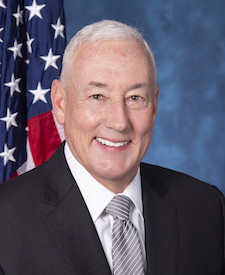
Mr. Pence introduced the following bill; which was referred to …
Stakeholder Effects
cui bono?How this legislation distributes effects. Mention counts reflect frequency, not effect magnitude.
EPA enforcement division, EPA hazardous waste enforcement, EPA waiver review and oversight staff
Critical energy resource facilities (oil refineries, natural gas processing plants), Critical energy resource facilities handling hazardous waste
Critical energy resource processing and refining facilities
Chemical processors handling critical energy resources
Environmental and public health advocates near waived facilities
Bill Structure & Actor Mappings
Who is "The Secretary" in each section?
- "the_secretary"
- → Secretary of Energy (consultative role)
- "the_administrator"
- → Administrator of the Environmental Protection Agency
- "the_secretary"
- → Secretary of Energy (consultative role)
- "the_administrator"
- → Administrator of the Environmental Protection Agency
Key Definitions
Terms defined in this bill
Any standard established under section 3002, 3003, or 3004; the permit requirement under section 3005; or any other requirement of this Act, as the Administrator determines appropriate.
Any energy resource, as determined by the Secretary of Energy, that is essential to the energy sector and energy systems of the United States, and the supply chain of which is vulnerable to disruption.
A facility that processes or refines a critical energy resource.
We use a combination of our own taxonomy and classification in addition to large language models to assess meaning and potential beneficiaries. High confidence means strong textual evidence. Always verify with the original bill text.
Learn more about our methodology