Payment Choice Act of 2025
Summary
What This Bill Does
The Payment Choice Act creates a federal cash-acceptance rule for in-person retail transactions. Covered retail businesses with a physical location must accept cash up to and including $500 for a transaction and may not charge a cash-paying customer more than a customer using another payment method. The bill includes operational exceptions, including sale-system failure, insufficient cash to make change, and the availability of a compliant cash-to-prepaid-card device with no fee, a low minimum deposit, no improper expiration, and consumer-protective terms. The practical target is cashless retail that excludes unbanked, underbanked, older, privacy-conscious, or low-income customers.
Who Benefits and How
Cash-paying consumers benefit because covered retailers cannot refuse cash for ordinary in-person purchases up to $500. Unbanked and underbanked customers benefit because they can buy goods without a card, bank account, or mobile-payment app. Older consumers and privacy-conscious shoppers benefit from preserving cash as an accessible payment option. Consumer advocates benefit from a national rule against cashless retail exclusion.
Who Bears the Burden and How
Retail businesses must maintain cash-handling processes, change availability, staff training, and payment policies. Cashless-store operators must change business models or install compliant cash-to-prepaid-card devices. Payment processors and card networks may lose some transaction volume if more purchases stay in cash. Federal enforcement agencies must police compliance and exceptions for covered retail businesses.
Key Provisions
- Requires covered retail businesses to accept cash for in-person transactions up to $500.
- Bars retailers from charging cash customers a higher price than other customers.
- Provides exceptions for system failure, insufficient change, and compliant cash-to-prepaid-card devices.
- Protects unbanked, underbanked, older, and privacy-conscious consumers from cashless-store exclusion.
Evidence Chain:
This summary is generated from the full bill text using AI analysis. Expand "Detailed Analysis" below for identified beneficiaries/burden bearers.
At a Glance
What This Bill Does
Requires covered retail businesses to accept cash for in-person transactions up to $500 and bars charging cash customers a higher price.
Key Policy Areas
Consumer Protection, Retail, Financial Inclusion
Primary Purpose
Requires covered retail businesses to accept cash for in-person transactions up to $500 and bars charging cash customers a higher price.
Policy Domains
Resolution provisions
Identified Gains
Contextual inference, no direct clause citation- Cash-paying consumers
- Unbanked customers
- Older consumers
- Consumer advocates
Contextual inference, no direct clause citation
Identified Costs
Contextual inference, no direct clause citation- Retail businesses
- Cashless-store operators
- Payment processors
- Federal enforcement agencies
Contextual inference, no direct clause citation
Sponsors
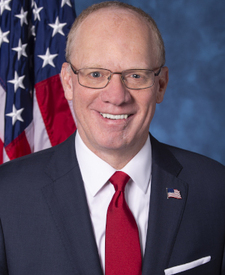
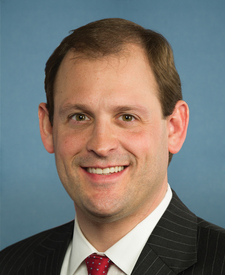
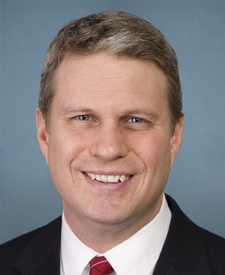
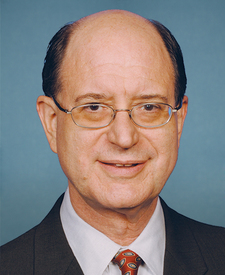
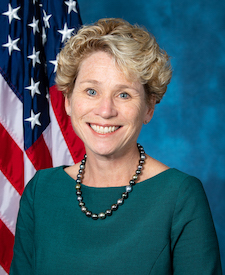
Legislative Progress
In CommitteeMr. Rose (for himself, Mr. Norcross, Ms. Garcia of Texas, …
Referred to the House Committee on Financial Services.
Introduced in House
Stakeholder Effects
cui bono?How this legislation distributes effects. Mention counts reflect frequency, not effect magnitude.
Bill Structure & Actor Mappings
Who is "The Secretary" in each section?
We use a combination of our own taxonomy and classification in addition to large language models to assess meaning and potential beneficiaries. High confidence means strong textual evidence. Always verify with the original bill text.
Learn more about our methodology