To amend the Workforce Innovation and Opportunity Act to direct the Secretary of Labor to award grants to community colleges for high-quality workforce development programs.
Summary
What This Bill Does
This bill adds a Strengthening Community Colleges workforce development grant program to WIOA. The Labor Secretary would make competitive grants to eligible institutions to establish, improve, or expand high-quality community college workforce programs and help people earn recognized postsecondary credentials that are nationally or regionally portable and stackable for high-skill, high-wage, or in-demand sectors. Up to 2 percent may be reserved for grant administration, technical assistance, and targeted outreach to institutions serving many low-income people, people with barriers to employment, and rural-serving institutions.
Who Benefits and How
Community colleges benefit from competitive grants to build or expand high-quality workforce development programs. Low-income students benefit from targeted outreach and programs tied to portable, stackable credentials. Workers with barriers to employment benefit from training pathways into high-skill, high-wage, or in-demand occupations. Rural-serving colleges benefit from technical assistance and outreach in the grant application process.
Who Bears the Burden and How
The Department of Labor must administer competitive grants, outreach, technical assistance, and oversight. Community college grant recipients must meet program requirements for credentials, sectors, reporting, and eligible activities. Federal taxpayers bear the cost of appropriations for the grant program. Workforce boards and employers must coordinate with colleges for programs to match local labor demand.
Key Provisions
- Establishes competitive grants for community college workforce development programs.
- Expands opportunities for portable and stackable postsecondary credentials.
- Authorizes technical assistance and targeted outreach for low-income, barrier-to-employment, and rural-serving institutions.
- Requires programs to connect to high-skill, high-wage, or in-demand sectors or occupations.
Evidence Chain:
This summary is generated from the full bill text using AI analysis. Expand "Detailed Analysis" below for identified beneficiaries/burden bearers with clause-level evidence links.
At a Glance
What This Bill Does
Creates competitive Labor Department grants for community colleges to establish, improve, or expand workforce development programs leading to portable and stackable postsecondary credentials for high-skill, high-wage, or in-demand sectors.
Key Policy Areas
Workforce Development, Community Colleges, Education
Primary Purpose
Creates competitive Labor Department grants for community colleges to establish, improve, or expand workforce development programs leading to portable and stackable postsecondary credentials for high-skill, high-wage, or in-demand sectors.
Policy Domains
Resolution provisions
Identified Gains
- Community colleges
- Low-income students
- Workers with barriers
- Rural-serving colleges
Identified Costs
- Department of Labor
- Community college grant recipients
- Federal taxpayers
- Workforce boards
Sponsors


Legislative Progress
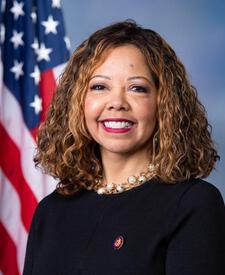
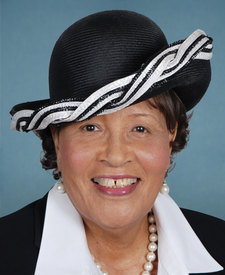
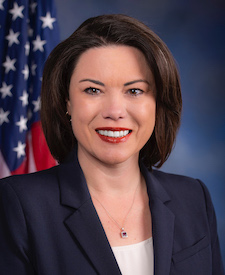
In CommitteeMrs. McBath (for herself, Mr. Takano, Mrs. Hayes, Mr. Mannion, …
Referred to the House Committee on Education and Workforce.
Introduced in House
Stakeholder Effects
cui bono?How this legislation distributes effects. Mention counts reflect frequency, not effect magnitude.
Bill Structure & Actor Mappings
Who is "The Secretary" in each section?
We use a combination of our own taxonomy and classification in addition to large language models to assess meaning and potential beneficiaries. High confidence means strong textual evidence. Always verify with the original bill text.
Learn more about our methodology