Help Our Kelp Act of 2025
Summary
What This Bill Does
The Help Our Kelp Act authorizes a kelp forest ecosystem grant program. Congress states that the purpose is to support native wild kelp ecosystems and restore native wild kelp for long-term recovery of naturally functioning kelp forests, not commercial or mechanized harvesting. Within 180 days, the NOAA Administrator must establish grants for eligible members of the fishing industry, institutions of higher education, nonprofits, Indian Tribes, state agencies, and local governments. Eligible applicants must consult or collaborate with other eligible entities while developing or implementing conservation, restoration, or management projects.
Who Benefits and How
Kelp restoration organizations benefit from dedicated federal grants for native wild kelp forest recovery. Fishing communities benefit if healthier kelp ecosystems improve habitat and marine productivity over time. Indian Tribes benefit from eligibility to receive or collaborate on kelp conservation and restoration grants. Marine scientists benefit from project funding tied to naturally functioning kelp forest ecosystems.
Who Bears the Burden and How
NOAA grant administrators must establish and run the kelp forest ecosystem grant program within 180 days. Grant applicants must consult or collaborate with other eligible entities during project development or implementation. Commercial kelp harvesters do not receive support for mechanized or commercial harvesting under the stated purpose. State and local coastal agencies must coordinate restoration, management, and monitoring responsibilities for funded projects.
Key Provisions
- Establishes a NOAA grant program for kelp forest conservation, restoration, and management.
- Provides eligibility for fishing industry members, colleges, nonprofits, tribes, state agencies, and local governments.
- Requires consultation or collaboration among eligible entities on project development or implementation.
- Restricts the program purpose to native wild kelp recovery rather than commercial or mechanized harvesting.
Evidence Chain:
This summary is generated from the full bill text using AI analysis. Expand "Detailed Analysis" below for identified beneficiaries/burden bearers with clause-level evidence links.
At a Glance
What This Bill Does
Creates a NOAA grant program within 180 days for eligible fishing industry members, colleges, nonprofits, tribes, state agencies, and local governments to conserve, restore, and manage native wild kelp forest ecosystems without commercial or mechanized harvesting.
Key Policy Areas
Oceans, Conservation, Fisheries
Primary Purpose
Creates a NOAA grant program within 180 days for eligible fishing industry members, colleges, nonprofits, tribes, state agencies, and local governments to conserve, restore, and manage native wild kelp forest ecosystems without commercial or mechanized harvesting.
Policy Domains
Resolution provisions
Identified Gains
- Kelp restoration organizations
- Fishing communities
- Indian Tribes
- Marine scientists
Identified Costs
- NOAA grant administrators
- Grant applicants
- Commercial kelp harvesters
- Coastal agencies
Sponsors
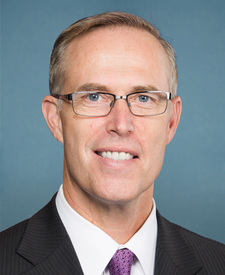
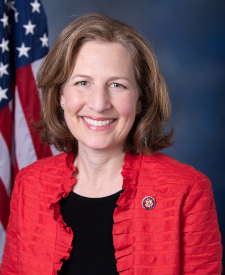
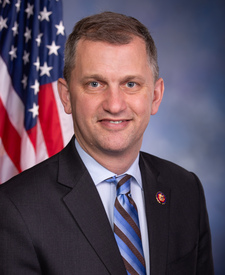
Legislative Progress
In CommitteeMr. Huffman introduced the following bill; which was referred to …
Referred to the House Committee on Natural Resources.
Introduced in House
Stakeholder Effects
cui bono?How this legislation distributes effects. Mention counts reflect frequency, not effect magnitude.
Commercial kelp harvesters, Fishing communities
Positive-direction: Fishing communities
Negative-direction: Commercial kelp harvesters
Bill Structure & Actor Mappings
Who is "The Secretary" in each section?
We use a combination of our own taxonomy and classification in addition to large language models to assess meaning and potential beneficiaries. High confidence means strong textual evidence. Always verify with the original bill text.
Learn more about our methodology