Department of Peacebuilding Act of 2025
Summary
What This Bill Does
The Department of Peacebuilding Act creates a new executive department led by a Senate-confirmed Secretary of Peacebuilding. The Department would make peacebuilding a national policy objective, study conflict causes, develop nonviolent conflict-resolution practices, issue annual peace metrics, and coordinate across federal, state, tribal, local, nonprofit, and international actors. It creates offices for peace education and training, domestic peacebuilding, international peacebuilding, technology for peace, arms control and disarmament, peacebuilding research, and human and economic rights. It also creates an Intergovernmental Advisory Council on Peace, a Federal Interagency Committee on Peace, consultation duties with State, Defense, and the National Security Council before foreseeable or ongoing conflicts, Peace Days, legislative recommendations, and open-ended appropriations with at least 85 percent for domestic peace programs.
Who Benefits and How
Community violence-prevention organizations benefit because the Department would fund, research, and disseminate restorative practices, conflict resolution, and domestic violence prevention models. Schools and peace education programs benefit from a dedicated office supporting curricula and training from pre-kindergarten through postgraduate levels. Human rights organizations benefit from a federal office charged with documenting abuses and integrating human rights principles into U.S. agreements. State, tribal, and local governments benefit from an advisory council and intergovernmental mediation support for peace and nonviolent conflict resolution.
Who Bears the Burden and How
The President must nominate and manage a new cabinet secretary, under secretary, assistant secretaries, general counsel, and inspector general structure. Federal agencies must coordinate with the new Department on peacebuilding, violence prevention, technology, human rights, and conflict policies. The Departments of State and Defense must consult with the Secretary of Peacebuilding before policies or withdrawals that may lead to violence or armed conflict. Federal taxpayers bear the cost of a new department, grants, offices, councils, reports, and such sums as necessary appropriations.
Key Provisions
- Establishes a Department of Peacebuilding inside the executive branch.
- Creates offices for peace education, domestic peacebuilding, international peacebuilding, technology, arms control, research, and human rights.
- Requires annual peace metrics, public reports, interagency coordination, and intergovernmental peace recommendations.
- Directs State, Defense, and National Security Council consultation with the Secretary before conflict-related decisions.
- Authorizes such sums as necessary and requires at least 85 percent of appropriated funds for domestic peace programs.
Evidence Chain:
This summary is generated from the full bill text using AI analysis. Expand "Detailed Analysis" below for identified beneficiaries/burden bearers with clause-level evidence links.
At a Glance
What This Bill Does
Establishes a cabinet-level Department of Peacebuilding with domestic and international peacebuilding offices, research and grant functions, intergovernmental coordination bodies, conflict-consultation duties, Peace Days, and such sums as necessary with at least 85 percent for domestic peace programs.
Key Policy Areas
Peacebuilding, Federal Agencies, Violence Prevention
Primary Purpose
Establishes a cabinet-level Department of Peacebuilding with domestic and international peacebuilding offices, research and grant functions, intergovernmental coordination bodies, conflict-consultation duties, Peace Days, and such sums as necessary with at least 85 percent for domestic peace programs.
Policy Domains
Resolution provisions
Identified Gains
- Community violence-prevention organizations
- Schools
- Human rights organizations
- State governments
- Tribal governments
Identified Costs
- President of the United States
- Federal agencies
- Department of State
- Department of Defense
- Federal taxpayers
Sponsors


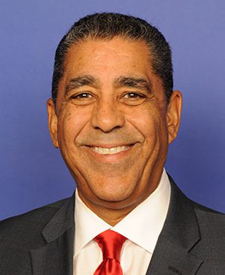

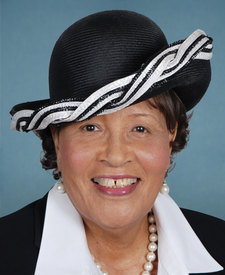
Legislative Progress
In CommitteeMs. Omar (for herself, Ms. Bonamici, Mr. Carson, Mr. García …
Referred to the House Committee on Oversight and Government Reform.
Introduced in House
Stakeholder Effects
cui bono?How this legislation distributes effects. Mention counts reflect frequency, not effect magnitude.
Community violence-prevention organizations
Bill Structure & Actor Mappings
Who is "The Secretary" in each section?
We use a combination of our own taxonomy and classification in addition to large language models to assess meaning and potential beneficiaries. High confidence means strong textual evidence. Always verify with the original bill text.
Learn more about our methodology