Natural Disaster Property Protection Act of 2025
Analysis under review: This bill has generated analysis that may be too generic or incomplete. Clause-level evidence remains available below.
Summary
What This Bill Does
The bill requires raises IRS Form 1099 reporting threshold from $600 to $5,000 specifically for payments related to natural disaster mitigation and repair work on real property, reducing paperwork requirements for property. It relies on reporting requirements. The main policy areas are Housing, Finance, and Taxation.
Who Benefits and How
Property owners paying for natural disaster mitigation or repair services could face lower compliance burdens, Contractors performing natural disaster repair work on residential and commercial property could face lower compliance burdens, and Contractors performing natural disaster mitigation work (roofing, weatherproofing, flood barriers) could face lower compliance burdens.
Who Bears the Burden and How
IRS and Treasury Department (reduced information reporting data for tax enforcement) could lose revenue opportunities.
Key Provisions
- Requires raises IRS Form 1099 reporting threshold from $600 to $5,000 specifically for payments related to natural disaster mitigation and repair work on real property, reducing paperwork requirements for property...
Evidence Chain:
This summary is generated from the full bill text using AI analysis. Expand "Detailed Analysis" below for identified beneficiaries/burden bearers with clause-level evidence links.
At a Glance
What This Bill Does
The bill requires raises IRS Form 1099 reporting threshold from $600 to $5,000 specifically for payments related to natural disaster mitigation and repair work on real property, reducing paperwork requirements for property.
Key Policy Areas
Housing, Finance, Taxation
Primary Purpose
The bill requires raises IRS Form 1099 reporting threshold from $600 to $5,000 specifically for payments related to natural disaster mitigation and repair work on real property, reducing paperwork requirements for property.
Policy Domains
Section 2 - Reporting Threshold Increase
Identified Gains
- Property owners paying for natural disaster mitigation or repair services
- Contractors performing natural disaster repair work on residential and commercial property
- Contractors performing natural disaster mitigation work (roofing, weatherproofing, flood barriers)
- Roofing contractors specializing in storm damage repair
- Property restoration and remediation service providers
Identified Costs
- IRS and Treasury Department (reduced information reporting data for tax enforcement)
Sponsors

Legislative Progress
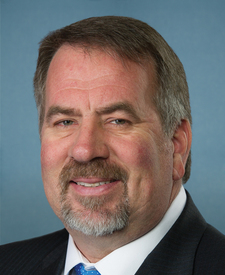
In CommitteeMs. Pettersen (for herself and Mr. LaMalfa) introduced the following …
Referred to the House Committee on Ways and Means.
Introduced in House
Stakeholder Effects
cui bono?How this legislation distributes effects. Mention counts reflect frequency, not effect magnitude.
Contractors performing natural disaster mitigation work (roofing, weatherproofing, flood barriers), Contractors performing natural disaster repair work on residential and commercial property, Property restoration and remediation service providers
Property owners paying for natural disaster mitigation or repair services
IRS and Treasury Department (reduced information reporting data for tax enforcement)
Bill Structure & Actor Mappings
Who is "The Secretary" in each section?
- "the_secretary"
- → Secretary of the Treasury
Key Definitions
Terms defined in this bill
An expense incurred to mitigate the risk posed to real property by natural disasters or extreme weather, OR an expense incurred to repair damage done to real property by natural disasters or extreme weather
We use a combination of our own taxonomy and classification in addition to large language models to assess meaning and potential beneficiaries. High confidence means strong textual evidence. Always verify with the original bill text.
Learn more about our methodology