CARTEL Act of 2025
Summary
What This Bill Does
The CARTEL Act creates recurring border transparency duties. CBP must publish monthly statistics on alien encounters and nationalities, unique encounters, gang-affiliated apprehensions, drug seizures, terrorist screening database encounters, criminal alien arrests, gotaways, deceased migrants, transnational criminal organization affiliations, and related statistics. DHS must also report within 90 days and annually thereafter to House and Senate homeland security committees on foreign terrorist organizations and transnational criminal organizations attempting to move members or affiliates into the United States through southern, northern, or maritime borders.
Who Benefits and How
Members of Congress overseeing border security benefit from monthly CBP statistics and annual DHS threat assessments. Border-security researchers benefit from more regular public data on encounters, drugs, gangs, watchlist hits, gotaways, and deaths. State border officials benefit from federal reporting on transnational criminal organization movement patterns. Public safety advocates benefit from increased visibility into cartel, gang, and terrorist-screening issues at the border.
Who Bears the Burden and How
CBP data offices must compile and publish detailed operational statistics every month. DHS intelligence staff must produce annual assessments of foreign terrorist and transnational criminal organization movement. Border Patrol field offices must maintain data quality for categories used in public reporting. Privacy and civil liberties staff must monitor public release of sensitive border statistics.
Key Provisions
- Requires CBP monthly publication of alien encounter, nationality, gang, drug, watchlist, criminal alien, gotaway, death, and cartel-affiliation statistics.
- Requires DHS to assess foreign terrorist and transnational criminal organization attempts to move affiliates through U.S. borders.
- Directs reports to House and Senate homeland security committees.
- Creates recurring public transparency rather than a new border enforcement authority.
Evidence Chain:
This summary is generated from the full bill text using AI analysis. Expand "Detailed Analysis" below for identified beneficiaries/burden bearers with clause-level evidence links.
At a Glance
What This Bill Does
Requires monthly CBP publication of detailed border operational statistics and annual DHS assessments of foreign terrorist and transnational criminal organizations attempting to move members or affiliates into the United States.
Key Policy Areas
Border Security, Immigration, Public Safety
Primary Purpose
Requires monthly CBP publication of detailed border operational statistics and annual DHS assessments of foreign terrorist and transnational criminal organizations attempting to move members or affiliates into the United States.
Policy Domains
Resolution provisions
Identified Gains
- Congressional border oversight committees
- Border-security researchers
- State border officials
- Public safety advocates
Identified Costs
- CBP data offices
- DHS intelligence staff
- Border Patrol field offices
- Privacy staff
Sponsors


Legislative Progress
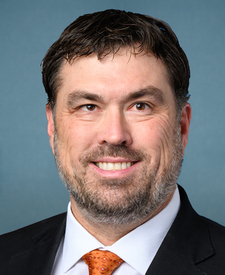
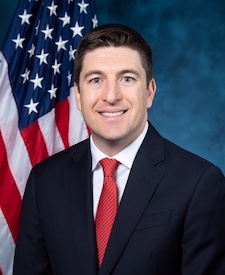
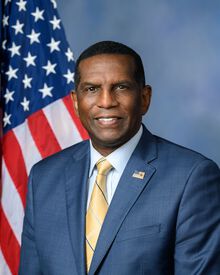
In CommitteeMr. Luttrell (for himself, Mr. Steil, Mr. Webster of Florida, …
Referred to the Subcommittee on Counterterrorism and Intelligence.
Referred to the House Committee on Homeland Security.
Introduced in House
Stakeholder Effects
cui bono?How this legislation distributes effects. Mention counts reflect frequency, not effect magnitude.
CBP data offices, Congressional border oversight committees, DHS intelligence staff
Positive-direction: Congressional border oversight committees
Negative-direction: CBP data offices, DHS intelligence staff
Bill Structure & Actor Mappings
Who is "The Secretary" in each section?
We use a combination of our own taxonomy and classification in addition to large language models to assess meaning and potential beneficiaries. High confidence means strong textual evidence. Always verify with the original bill text.
Learn more about our methodology