Supreme Court Term Limits and Regular Appointments Act of 2025
Summary
What This Bill Does
The Supreme Court Term Limits and Regular Appointments Act creates a statutory rotation system for Supreme Court service. Presidents must nominate one justice in the first and third years after a presidential election year. The nine most junior justices exercise the Court's regular judicial power, and a justice who has served 18 years is deemed retired from regular active service. Current justices are exempt from the nine-justice active panel count and are not forced to retire. If the Senate does not exercise advice and consent within 120 days, it is deemed to have waived that authority and the nominee is seated.
Who Benefits and How
Supreme Court term-limit advocates benefit from an 18-year active-service model without waiting for a constitutional amendment. Future Presidents benefit from predictable Supreme Court nominations during the first and third post-election years. New Supreme Court nominees benefit from a 120-day Senate action clock that can seat them if the Senate does not act. Court legitimacy reform groups benefit from regularized appointment timing and reduced randomness of vacancies.
Who Bears the Burden and How
Future Supreme Court justices move to senior status after 18 years of active service on the merits panel. The Senate loses leverage if inaction for 120 days is treated as waiver of advice and consent. Court administrators must manage active and senior justice status under the nine-most-junior rule. Opponents of statutory term limits may litigate whether the structure is constitutional.
Key Provisions
- Requires Presidents to nominate Supreme Court justices in the first and third years after presidential election years.
- Limits the regular active merits panel to the nine most junior justices.
- Creates senior status after 18 years of Supreme Court service.
- Seats nominees if the Senate does not act within 120 days after nomination.
Evidence Chain:
This summary is generated from the full bill text using AI analysis. Expand "Detailed Analysis" below for identified beneficiaries/burden bearers with clause-level evidence links.
At a Glance
What This Bill Does
Creates regular Supreme Court appointments every first and third post-election year, limits active merits panels to the nine most junior justices, creates 18-year senior status, and seats nominees automatically if the Senate fails to act within 120 days.
Key Policy Areas
Courts, Judicial Appointments, Government Reform
Primary Purpose
Creates regular Supreme Court appointments every first and third post-election year, limits active merits panels to the nine most junior justices, creates 18-year senior status, and seats nominees automatically if the Senate fails to act within 120 days.
Policy Domains
Resolution provisions
Identified Gains
- Supreme Court term-limit advocates
- Future Presidents
- New Supreme Court nominees
- Court legitimacy reform groups
Identified Costs
- Future Supreme Court justices
- Senate
- Court administrators
- Statutory term-limit opponents
Sponsors




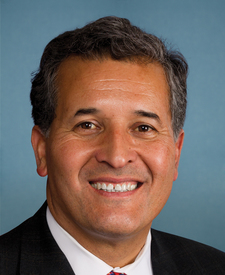
Legislative Progress
In CommitteeMr. Khanna (for himself, Mr. Beyer, Ms. Tlaib, Mr. Casten, …
Referred to the House Committee on the Judiciary.
Introduced in House
Stakeholder Effects
cui bono?How this legislation distributes effects. Mention counts reflect frequency, not effect magnitude.
Future Supreme Court justices, Supreme Court term-limit advocates
Positive-direction: Supreme Court term-limit advocates
Negative-direction: Future Supreme Court justices
Bill Structure & Actor Mappings
Who is "The Secretary" in each section?
We use a combination of our own taxonomy and classification in addition to large language models to assess meaning and potential beneficiaries. High confidence means strong textual evidence. Always verify with the original bill text.
Learn more about our methodology