To repeal section 138 of the Clean Air Act, relating to environmental and climate justice block grants.
Analysis under review: This bill has generated analysis that may be too generic or incomplete. Clause-level evidence remains available below.
Summary
What This Bill Does
This bill eliminates a federal grant program for environmental justice by repealing Section 138 of the Clean Air Act. It also claws back any grant money that was authorized but not yet spent. Section 138 provided block grants to help low-income and minority communities address environmental and climate hazards.
Who Benefits and How
Fiscal conservatives and advocates for reduced government spending benefit from the elimination of this grant program and the recovery of unspent funds, reducing federal environmental spending. Industrial facilities operating in environmental justice communities may face less scrutiny and fewer environmental justice requirements tied to grant-funded projects. The federal budget realizes savings through the rescission of unobligated funds.
Who Bears the Burden and How
Environmental justice communities—particularly low-income, minority, and tribal populations—lose access to federal grants that would have funded projects to reduce pollution, improve air quality, and address climate vulnerabilities in their neighborhoods. State and local governments can no longer apply for these federal grants to support environmental justice initiatives. The EPA loses its authority to administer this grant program. Environmental justice organizations lose a funding source for community-based environmental projects.
Key Provisions
- Repeals Section 138 of the Clean Air Act, which authorized the Environmental and Climate Justice Block Grant program
- Rescinds all unobligated balances (money appropriated but not yet committed to specific grants)
- Takes effect upon enactment, immediately terminating the grant program
- Provides no transition period or alternative funding mechanism for communities or projects that were expecting grants
Evidence Chain:
This summary is generated from the full bill text using AI analysis. Expand "Detailed Analysis" below for identified beneficiaries/burden bearers.
At a Glance
What This Bill Does
Repeals Section 138 of the Clean Air Act which authorized environmental and climate justice block grants and rescinds any unobligated funding.
Who Benefits
- Fiscal conservatives opposed to climate spending
- Industries that may have faced environmental justice requirements
Who Bears Costs
- Environmental justice communities
- State and local governments that would receive grants
- EPA grant programs
Key Policy Areas
Environment, Climate Policy, Federal Grants, Environmental Justice
Primary Purpose
Repeals Section 138 of the Clean Air Act which authorized environmental and climate justice block grants and rescinds any unobligated funding.
Policy Domains
Legislative Strategy
"Eliminate federal environmental and climate justice grant program established under Clean Air Act Section 138"
Identified Gains
- Fiscal conservatives opposed to climate spending
- Industries that may have faced environmental justice requirements
Identified Costs
- Environmental justice communities
- State and local governments that would receive grants
- EPA grant programs
- Environmental justice organizations
Sponsors
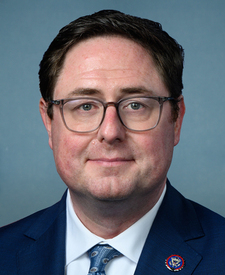
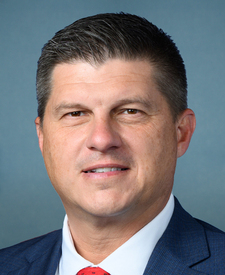


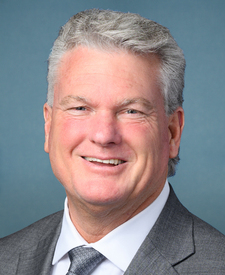
Legislative Progress
IntroducedMr. Flood (for himself, Mr. Finstad, Mr. Collins, Ms. Hageman, …
Stakeholder Effects
cui bono?How this legislation distributes effects. Mention counts reflect frequency, not effect magnitude.
Environmental justice communities (low-income, minority, tribal)
State and local governments seeking environmental justice grants
Bill Structure & Actor Mappings
Who is "The Secretary" in each section?
We use a combination of our own taxonomy and classification in addition to large language models to assess meaning and potential beneficiaries. High confidence means strong textual evidence. Always verify with the original bill text.
Learn more about our methodology