Protecting Sensitive Locations Act
Summary
What This Bill Does
The Protecting Sensitive Locations Act amends immigration officer powers under 8 U.S.C. 1357. It applies to DHS officers, ICE, CBP, and people designated for immigration enforcement under section 287(g). Covered enforcement actions may not occur at, focus on, or occur within 1,000 feet of a sensitive location except under exigent circumstances. If the exigency ends, enforcement must stop until it reemerges, and uncertain officers must stop and consult supervisors. The bill is designed to preserve access to places such as schools, health care, worship, courts, social services, and other sensitive sites by limiting immigration enforcement around them.
Who Benefits and How
Immigrants using sensitive locations benefit because enforcement risk is reduced near schools, health care, religious, court, and service settings. Students and patients benefit if families are less afraid to attend classes, appointments, or essential services. Community service providers benefit from clearer limits that support access to sensitive-location programs. Local governments benefit if residents continue using public health, safety, and social-service institutions.
Who Bears the Burden and How
ICE officers must stop or avoid covered enforcement actions near sensitive locations unless exigent circumstances exist. CBP officers must assess location distance, exigency, and supervisor consultation before proceeding. DHS supervisors must make rapid judgment calls when field officers are uncertain about exigent circumstances. State or local 287(g) officers must follow the same sensitive-location restrictions when performing immigration functions.
Key Provisions
- Prohibits covered immigration enforcement at or within 1,000 feet of sensitive locations absent exigent circumstances.
- Requires enforcement to stop when exigent circumstances cease.
- Requires uncertain officers to stop and consult a supervisor before continuing.
- Applies the restrictions to DHS, ICE, CBP, and designated immigration-enforcement personnel.
Evidence Chain:
This summary is generated from the full bill text using AI analysis. Expand "Detailed Analysis" below for identified beneficiaries/burden bearers with clause-level evidence links.
At a Glance
What This Bill Does
Restricts immigration enforcement actions at or within 1,000 feet of sensitive locations unless exigent circumstances exist, and requires enforcement to stop when those circumstances end.
Key Policy Areas
Immigration, Civil Rights, Public Safety
Primary Purpose
Restricts immigration enforcement actions at or within 1,000 feet of sensitive locations unless exigent circumstances exist, and requires enforcement to stop when those circumstances end.
Policy Domains
Resolution provisions
Identified Gains
- Immigrants using sensitive locations
- Students and patients
- Community service providers
- Local governments
Identified Costs
- ICE officers
- CBP officers
- DHS supervisors
- State 287g officers
Sponsors
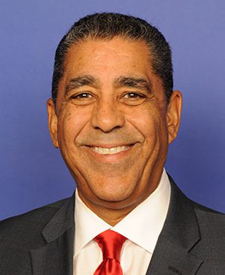
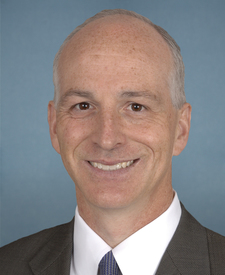


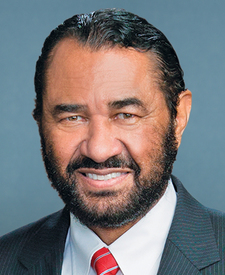
Legislative Progress
In CommitteeMr. Espaillat (for himself, Mr. McGovern, Ms. Sánchez, Mr. Tonko, …
Referred to the House Committee on the Judiciary.
Introduced in House
Stakeholder Effects
cui bono?How this legislation distributes effects. Mention counts reflect frequency, not effect magnitude.
Bill Structure & Actor Mappings
Who is "The Secretary" in each section?
We use a combination of our own taxonomy and classification in addition to large language models to assess meaning and potential beneficiaries. High confidence means strong textual evidence. Always verify with the original bill text.
Learn more about our methodology