Protecting Sensitive Locations Act
Sponsors
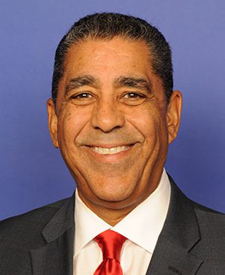
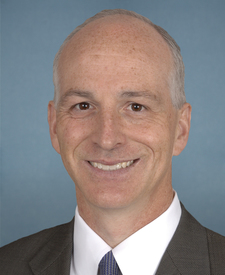


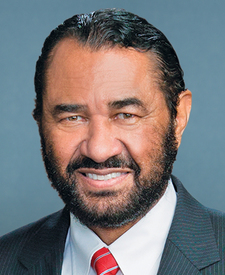
Legislative Progress
In CommitteeMr. Espaillat (for himself, Mr. McGovern, Ms. Sánchez, Mr. Tonko, …
Summary
What This Bill Does
The Protecting Sensitive Locations Act prohibits immigration enforcement agents from conducting arrests, interviews, searches, or surveillance within 1,000 feet of schools, hospitals, places of worship, courthouses, social service agencies, and other "sensitive locations" - except in rare emergencies like active terrorism threats or hot pursuit of dangerous suspects. The bill requires Immigration and Customs Enforcement (ICE) and Customs and Border Protection (CBP) officers to immediately halt enforcement actions if they're unsure whether an emergency exists, consult with supervisors, and only proceed with explicit approval.
Who Benefits and How
Undocumented immigrants and their families are the primary beneficiaries, gaining legal protection from arrest or questioning when accessing essential services like medical care, education, and religious worship. Schools, hospitals, places of worship, and social service organizations benefit by being able to serve immigrant communities without fear that their facilities will become enforcement zones. Immigration defense attorneys gain new grounds to challenge deportation cases, as any evidence obtained in violation of this law must be excluded from removal proceedings, and judges must terminate cases where the initial arrest violated these protections. Immigrant rights and civil liberties organizations benefit from strengthened legal protections for the communities they serve.
Who Bears the Burden and How
Immigration and Customs Enforcement (ICE) and Customs and Border Protection (CBP) face significant new operational restrictions, requiring them to map and avoid 1,000-foot buffer zones around thousands of locations nationwide. Field officers and agents must follow strict procedures including mandatory supervisor consultation before proceeding with enforcement actions near sensitive locations, attend annual training programs, and operate under threat of having their cases thrown out if they violate the rules. The Department of Homeland Security must establish new training programs for seven categories of senior officials, create comprehensive reporting systems, and submit detailed reports to Congress, the Inspector General, and the Office for Civil Rights and Civil Liberties within 30 days of any enforcement action at a sensitive location. Immigration judges face additional procedural burdens reviewing motions to terminate removal proceedings based on alleged violations of this law.
Key Provisions
- Creates a 1,000-foot enforcement-free zone around schools, hospitals, places of worship, courthouses, disaster relief sites, social service agencies, child care facilities, libraries, DMV offices, polling places, labor union halls, and public demonstrations
- Defines "exigent circumstances" narrowly: imminent risk of death or violence, hot pursuit of dangerous suspects, direct national security threats, or rare pre-approved operations targeting terrorists
- Requires officers to immediately cease enforcement and consult supervisors in real-time when uncertain about whether an emergency justifies proceeding
- Establishes evidentiary exclusion rule: any information from violations cannot be used in deportation proceedings, and subjects can file motions to terminate their removal cases
- Mandates annual training for ICE Chief Counsel, Field Office Directors, Special Agents in Charge, CBP Chief Patrol Agents, Directors of Field Operations, Director of Air and Marine Operations, and Internal Affairs leadership
- Requires Secretary of Homeland Security to submit detailed reports to Inspector General and Office for Civil Rights and Civil Liberties within 30 days of each sensitive location enforcement action, including justification, number of arrests, collateral arrests, and supervisor consultation records
- Directs ICE and CBP to submit annual reports to six Congressional committees detailing all sensitive location enforcement actions
- Takes effect 90 days after enactment, giving DHS time to promulgate implementing regulations
Evidence Chain:
This summary is derived from the structured analysis below. See "Detailed Analysis" for per-title beneficiaries/burden bearers with clause-level evidence links.
Primary Purpose
Restricts immigration enforcement actions within 1,000 feet of sensitive locations (schools, hospitals, places of worship, etc.) except under exigent circumstances
Policy Domains
Legislative Strategy
"Create geographic safe zones around sensitive community locations to protect vulnerable populations from immigration enforcement; establish strict procedural requirements, training mandates, and reporting obligations for DHS enforcement agencies; provide evidentiary exclusions and procedural remedies for violations"
Likely Beneficiaries
- Undocumented immigrants seeking services at schools, hospitals, and places of worship
- Immigrant advocacy organizations and civil rights groups
- Faith-based institutions and religious organizations
- Healthcare providers and educational institutions serving immigrant communities
- Children and families in immigrant communities
Likely Burden Bearers
- U.S. Immigration and Customs Enforcement (ICE) - must follow strict geographic restrictions and procedural requirements
- U.S. Customs and Border Protection (CBP) - subject to same restrictions on enforcement actions
- DHS leadership - must establish new training programs, reporting systems, and regulatory frameworks
- Immigration judges and removal proceedings - must terminate proceedings if enforcement violated the law
Bill Structure & Actor Mappings
Who is "The Secretary" in each section?
- "cbp_officers"
- → Officers and agents of U.S. Customs and Border Protection
- "dhs_officers"
- → Officers or agents of the Department of Homeland Security
- "ice_officers"
- → Officers and agents of U.S. Immigration and Customs Enforcement
- "the_secretary"
- → Secretary of Homeland Security
- "designated_individuals"
- → Individuals designated to perform immigration enforcement functions pursuant to INA section 287(g)
Note: The term 'appropriate authorizing official' has different meanings depending on which agency (ICE vs CBP) is conducting the enforcement action, but both fall under DHS authority
Key Definitions
Terms defined in this bill
High-level DHS officials who can approve rare premeditated arrest operations at sensitive locations, including Assistant Directors and Executive Associate Directors of ICE and CBP, Chief Patrol Agents, Directors of Field Operations, and others designated by the Secretary of Homeland Security
The Senate and House Committees on Homeland Security, Judiciary, and Appropriations
Has the meaning given in section 103 of the Higher Education Act of 1965 (20 U.S.C. 1003)
An apprehension, arrest, interview, request for identification, search, or surveillance for the purposes of immigration enforcement, including actions at sensitive locations that are part of a joint case led by another law enforcement agency
Situations involving: (1) imminent risk of death, violence, or physical harm (including terrorism or national security threats); (2) immediate arrest or hot pursuit of an individual presenting imminent danger to public safety; (3) rare premeditated arrest of a terrorist suspect or individual posing clear threat to national security with prior written approval; (4) direct threat to national security; (5) imminent risk of destruction of material evidence in an ongoing criminal case
All physical space within 1,000 feet of: healthcare facilities, schools, educational events, school buses/stops, child recreational facilities, child care centers, disaster/emergency response sites, social service organizations, places of worship, funeral/wedding sites, public demonstrations, courthouses, congressional offices, Social Security offices, public assistance offices, DMV locations, polling places, labor union halls, public libraries, and other locations specified by the Secretary
An official determined under rules promulgated by the Secretary of Homeland Security within 90 days after enactment
We use a combination of our own taxonomy and classification in addition to large language models to assess meaning and potential beneficiaries. High confidence means strong textual evidence. Always verify with the original bill text.
Learn more about our methodology