To exempt children of certain Filipino World War II veterans from the numerical limitations on immigrant visas, and for other purposes.
Analysis under review: This bill has generated analysis that may be too generic or incomplete. Clause-level evidence remains available below.
Summary
What This Bill Does
The Filipino Veterans Family Reunification Act of 2025 removes immigration waiting times for adult children and siblings of Filipino World War II veterans. These family members would be able to immigrate to the United States without being subject to the annual numerical caps that currently create decades-long backlogs for family-based immigration from the Philippines.
Who Benefits and How
Adult children and siblings of Filipino WWII veterans who were naturalized under specific laws benefit by gaining immediate eligibility for immigrant visas instead of waiting years or decades in the current backlog system. This applies specifically to family members eligible under the family-based preference categories F1 (unmarried adult children) and F3 (married adult children) of U.S. citizens. Immigration attorneys and consultants who serve the Filipino-American community also benefit through increased demand for their services to help families navigate this new pathway.
Who Bears the Burden and How
There are no direct burdens imposed by this bill. U.S. Citizenship and Immigration Services (USCIS) may face a temporary increase in processing workload as eligible family members who have been waiting apply for visas, but the bill does not impose new restrictions, fees, or requirements on any group.
Key Provisions
- Creates a new exemption category (F) under Section 201(b)(1) of the Immigration and Nationality Act for family members of Filipino WWII veterans
- Applies only to veterans who were naturalized under section 405 of the Immigration Act of 1990 or title III of the Act of October 14, 1940 (specific laws that provided naturalization paths for Filipino WWII veterans)
- Removes these family members from the annual numerical limitations that currently cap family-based immigration from the Philippines
- Does not create new eligibility criteria - only removes the numerical waiting time for those already eligible under existing family preference categories
Evidence Chain:
This summary is generated from the full bill text using AI analysis. Expand "Detailed Analysis" below for identified beneficiaries/burden bearers.
At a Glance
What This Bill Does
Exempts children and siblings of naturalized Filipino World War II veterans from immigrant visa numerical limitations
Who Benefits
- Adult children and siblings of Filipino World War II veterans
- Filipino-American families
- Immigration attorneys serving Filipino community
Who Bears Costs
- None directly - this is a pure benefit with no offsetting restrictions. Indirect costs to immigration processing system.
Key Policy Areas
Immigration, Veterans Affairs
Primary Purpose
Exempts children and siblings of naturalized Filipino World War II veterans from immigrant visa numerical limitations
Policy Domains
Legislative Strategy
"Address backlogs in family-based immigration for Filipino WWII veterans by creating a numerical exemption"
Identified Gains
- Adult children and siblings of Filipino World War II veterans
- Filipino-American families
- Immigration attorneys serving Filipino community
Identified Costs
- None directly - this is a pure benefit with no offsetting restrictions. Indirect costs to immigration processing system.
Sponsors
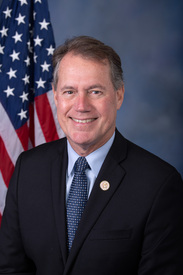
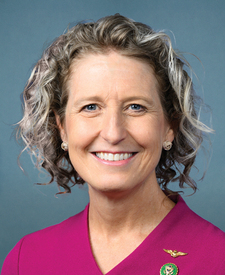
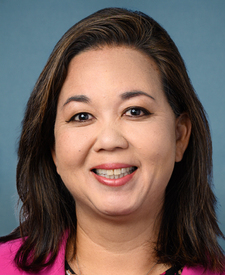
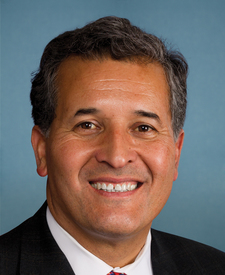
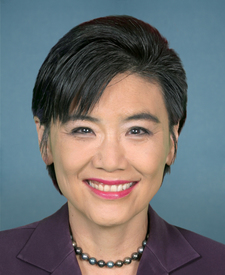
Legislative Progress
IntroducedMr. Case (for himself, Mrs. Kiggans of Virginia, Ms. Jayapal, …
Stakeholder Effects
cui bono?How this legislation distributes effects. Mention counts reflect frequency, not effect magnitude.
Adult children and siblings of Filipino World War II veterans (family-based immigration categories F1 and F3)
Immigration attorneys and consultants serving Filipino-American community
Bill Structure & Actor Mappings
Who is "The Secretary" in each section?
- "the_secretary"
- → Secretary of Homeland Security (implicit - administers Immigration and Nationality Act)
Key Definitions
Terms defined in this bill
Aliens eligible for a visa under paragraph (1) or (3) of section 203(a) of INA [unmarried sons/daughters or married sons/daughters of U.S. citizens]
We use a combination of our own taxonomy and classification in addition to large language models to assess meaning and potential beneficiaries. High confidence means strong textual evidence. Always verify with the original bill text.
Learn more about our methodology