To rescind certain unobligated balances relating to charging and fueling grants and national electric vehicle grants.
Analysis under review: This bill has generated analysis that may be too generic or incomplete. Clause-level evidence remains available below.
Summary
What This Bill Does
This bill, To rescind certain unobligated balances relating to charging and fueling grants and national electric vehicle grants., changes federal law or congressional policy affecting energy producers, utilities, and energy consumers. The main policy domain is Energy, Finance, Transportation.
Who Benefits and How
energy producers, utilities, and energy consumers may benefit from new authority, funding, eligibility, regulatory clarity, or reduced risk created by the bill.
Who Bears the Burden and How
federal implementing agencies, energy producers, utilities, and energy consumers may take on implementation duties, reporting obligations, compliance costs, or oversight responsibilities.
Key Provisions
- Section H36A0AF13315B46AEA2BE60140B7D6320: 1. Short title This Act may be cited as the Undoing Nationwide Programs and Limiting Unnecessary Grants for Electric Vehicles Act or the UNPLUG EVs Act.
- Section H46595992D8D547CDB53DF14F49A5159E: 2. Rescission of unobligated charging and fueling grant funds The unobligated balances of amounts appropriated or otherwise made available to carry out section...
- Section H61230991EDEE473F83B9D29130BC76EB: 3. Rescission of unobligated national electric vehicle formula program funds The unobligated balances of amounts appropriated or otherwise made available to...
Evidence Chain:
This summary is generated from the full bill text using AI analysis. Expand "Detailed Analysis" below for identified beneficiaries/burden bearers with clause-level evidence links.
At a Glance
What This Bill Does
This bill, To rescind certain unobligated balances relating to charging and fueling grants and national electric vehicle grants., changes federal law or congressional policy affecting energy producers, utilities, and energy consumers.
Key Policy Areas
Energy, Finance, Transportation
Primary Purpose
This bill, To rescind certain unobligated balances relating to charging and fueling grants and national electric vehicle grants., changes federal law or congressional policy affecting energy producers, utilities, and energy consumers.
Policy Domains
Whole bill
Identified Gains
- energy producers, utilities, and energy consumers
Identified Costs
- federal implementing agencies
- energy producers, utilities, and energy consumers
Sponsors
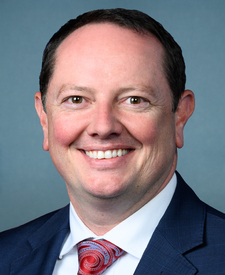
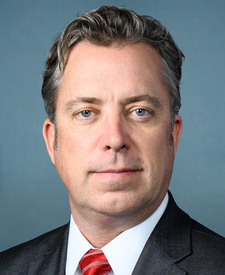


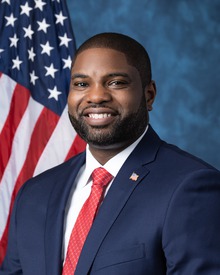
Legislative Progress
IntroducedMr. Burlison (for himself, Ms. Hageman, Mr. Donalds, Mr. Massie, …
Stakeholder Effects
cui bono?How this legislation distributes effects. Mention counts reflect frequency, not effect magnitude.
EV charging infrastructure companies, EV charging network operators (ChargePoint, EVgo, Electrify America)
Electric vehicle manufacturers, Traditional auto manufacturers and oil/gas industry
Positive-direction: Traditional auto manufacturers and oil/gas industry
Negative-direction: Electric vehicle manufacturers
State DOTs implementing NEVI programs
Bill Structure & Actor Mappings
Who is "The Secretary" in each section?
- "federal_implementing_agencies"
- → Federal agencies assigned duties by the bill
We use a combination of our own taxonomy and classification in addition to large language models to assess meaning and potential beneficiaries. High confidence means strong textual evidence. Always verify with the original bill text.
Learn more about our methodology