To amend the Omnibus Crime Control and Safe Streets Act of 1968 to establish a grant program to help law enforcement agencies with civilian law enforcement tasks, and for other purposes.
Analysis under review: This bill has generated analysis that may be too generic or incomplete. Clause-level evidence remains available below.
Summary
What This Bill Does
This bill, To amend the Omnibus Crime Control and Safe Streets Act of 1968 to establish a grant program to help law enforcement agencies with civilian law enforcement tasks, and for other purposes., changes federal law or congressional policy affecting federal agencies and legislative administrators. The main policy domain is Government Operations, Technology, Criminal Justice.
Who Benefits and How
federal agencies and legislative administrators may benefit from new authority, funding, eligibility, regulatory clarity, or reduced risk created by the bill.
Who Bears the Burden and How
federal implementing agencies may take on implementation duties, reporting obligations, compliance costs, or oversight responsibilities.
Key Provisions
- Section HB1B2B7F1392F4C21A31A89322A98DE50: 1. Short title This Act may be cited as the Retired Law Enforcement Officers Continuing Service Act.
- Section H913CBE1D50C84FBBA9EB8D1B9A2E1930: 2. Retired law enforcement officers continuing service Title I of the Omnibus Crime Control and Safe Streets Act of 1968 (34 U.S.C. 10101 et seq.) is amended...
- Section H918A69E976EF461CA33C32A32B1B4AF4: 3061. Definitions In this part: The term civilian law enforcement task— includes— assisting in homicide investigations; assisting in carjacking investigations;...
- Section HA980E79808384203A367BC4AAEB2250C: 3062. Grants authorized The Attorney General may award grants to eligible entities for the purpose of hiring retired personnel from law enforcement agencies...
- Section H23092A45E0034E759A4D4231576736F5: 3063. Accountability provisions A grant awarded under this part shall be subject to the accountability requirements of this section. In this subsection, the...
Evidence Chain:
This summary is generated from the full bill text using AI analysis. Expand "Detailed Analysis" below for identified beneficiaries/burden bearers with clause-level evidence links.
At a Glance
What This Bill Does
This bill, To amend the Omnibus Crime Control and Safe Streets Act of 1968 to establish a grant program to help law enforcement agencies with civilian law enforcement tasks, and for other purposes., changes federal law or congressional policy affecting federal agencies and legislative administrators.
Key Policy Areas
Government Operations, Technology, Criminal Justice
Primary Purpose
This bill, To amend the Omnibus Crime Control and Safe Streets Act of 1968 to establish a grant program to help law enforcement agencies with civilian law enforcement tasks, and for other purposes., changes federal law or congressional policy affecting federal agencies and legislative administrators.
Policy Domains
Whole bill
Identified Gains
- federal agencies and legislative administrators
Identified Costs
- federal implementing agencies
Sponsors
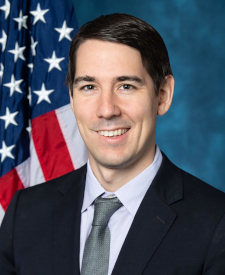

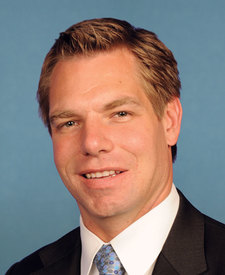
Legislative Progress
IntroducedMr. Harder of California (for himself, Mr. Fitzpatrick, and Mr. …
Impact analysis is available but no clear stakeholder effects identified. View clause-level analysis →
Bill Structure & Actor Mappings
Who is "The Secretary" in each section?
- "federal_implementing_agencies"
- → Federal agencies assigned duties by the bill
We use a combination of our own taxonomy and classification in addition to large language models to assess meaning and potential beneficiaries. High confidence means strong textual evidence. Always verify with the original bill text.
Learn more about our methodology