To amend the Higher Education Act of 1965 to strengthen disclosure requirements relating to foreign gifts and contracts, to prohibit contracts between institutions of higher education and certain foreign entities and countries of concern, and for other purposes.
Sponsors

Legislative Progress
Passed HouseReceived; read twice and referred to the Committee on Health, …
Passed House (inferred from eh version)
Additional sponsors: Mr. Onder, Ms. Tenney, Mr. Thompson of Pennsylvania, …
Reported with an amendment, committed to the Committee of the …
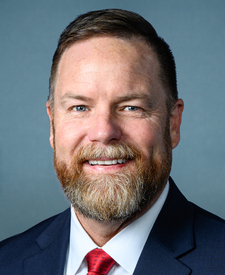
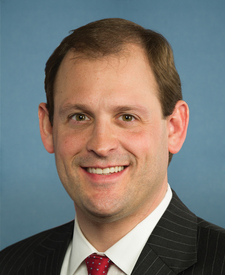
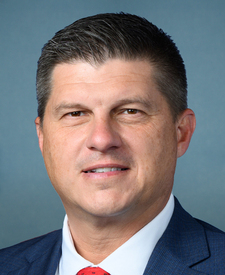
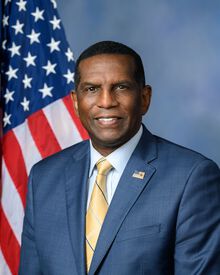
Mr. Baumgartner (for himself, Mr. Messmer, Mr. Owens, Mr. Allen, …
Summary
What This Bill Does
The DETERRENT Act dramatically strengthens disclosure requirements for foreign funding at U.S. universities and prohibits contracts with adversarial nations. It lowers the disclosure threshold from $250,000 to $50,000, requires disclosure of ALL gifts from countries of concern regardless of amount, and bans contracts with China, Russia, Iran, North Korea, and their entities including Confucius Institutes.
Who Benefits and How
National security agencies gain extensive visibility into foreign influence at universities through mandatory information sharing with FBI, CIA, NSF, NIH and others. The U.S. research security ecosystem benefits from reduced foreign adversary access to sensitive research. Universities can request waivers for legitimate academic partnerships.
Who Bears the Burden and How
Universities face significantly increased compliance burdens—must report more gifts, disclose investments in countries of concern, and designate compliance officers. Schools with Chinese partnerships must terminate them or seek waivers. Confucius Institutes are effectively banned. Civil penalties can reach 1% of university annual budget or the value of undisclosed gifts.
Key Provisions
- Lowers foreign gift disclosure threshold from $250,000 to $50,000
- Requires disclosure of ALL gifts/contracts from countries of concern (no minimum threshold)
- Bans contracts with China, Russia, Iran, North Korea, and entities they control
- Specifically names Confucius Institutes as foreign entities of concern
- Creates public searchable database of all foreign gift disclosures
- Requires large universities to disclose investments in countries of concern
- Shares all disclosure reports with FBI, CIA, DOD, and other agencies within 30 days
- Civil penalties up to 1% of annual budget or value of undisclosed gift
Evidence Chain:
This summary is derived from the structured analysis below. See "Detailed Analysis" for per-title beneficiaries/burden bearers with clause-level evidence links.
Primary Purpose
Strengthens disclosure requirements for foreign gifts and contracts at universities, prohibits contracts with countries of concern (China, Russia, Iran, North Korea), and creates enforcement mechanisms including civil penalties.
Policy Domains
Legislative Strategy
"Counter foreign influence in U.S. higher education, particularly from China"
Likely Beneficiaries
- National security agencies
- U.S. research security
Likely Burden Bearers
- Universities with foreign funding
- Confucius Institutes
- International academic partnerships
Bill Structure & Actor Mappings
Who is "The Secretary" in each section?
- "secretary"
- → Secretary of Education
- "compliance_officer"
- → Designated compliance officer at each institution
Key Definitions
Terms defined in this bill
Any gift of money, property, resources, staff, or services from foreign source
Entity owned/controlled by foreign country of concern, including Confucius Institutes
China, Russia, Iran, North Korea, Cuba, Venezuela, Syria and others per 10 USC 4872(d)
We use a combination of our own taxonomy and classification in addition to large language models to assess meaning and potential beneficiaries. High confidence means strong textual evidence. Always verify with the original bill text.
Learn more about our methodology