Utah Wildfire Research Institute Act of 2025
Summary
What This Bill Does
The Utah Wildfire Research Institute Act of 2025 amends the Southwest Forest Health and Wildfire Prevention Act of 2004 to add the State of Utah to the list of states eligible for an institute and to conform the statutory text so the program refers to Colorado and Utah together. The bill extends an existing regional wildfire research and forest-health framework rather than creating an entirely new national program.
Who Benefits and How
Utah universities, Utah wildfire researchers, Utah state fire agencies, local fire departments, communities in wildfire-prone parts of Utah, land managers, forest-health planners, and emergency-management officials benefit because Utah can participate directly in the institute model. The change can support research, coordination, prevention planning, and applied wildfire-risk work tailored to Utah landscapes.
Who Bears the Burden and How
Federal program administrators, existing Arizona, New Mexico, and Colorado institute partners, Utah higher-education institutions, Utah state agencies, grant managers, federal taxpayers, and wildfire research coordinators must incorporate Utah into the existing institute framework, coordinate additional partnerships, review project priorities, and absorb any administrative or funding allocation effects inside the program.
Key Provisions
- Amends Southwest Forest Health and Wildfire Prevention Act section 5(b)(2) to add the State of Utah.
- Amends section 5(e)(1) so program language includes Colorado and Utah.
- Expands the eligible institute network to cover Utah wildfire and forest-health research needs.
- Supports Utah-focused wildfire prevention, forest health, emergency management, and land-management partnerships.
- Requires program administrators and existing institute partners to integrate Utah into the statutory framework.
Evidence Chain:
This summary is generated from the full bill text using AI analysis. Expand "Detailed Analysis" below for identified beneficiaries/burden bearers with clause-level evidence links.
At a Glance
What This Bill Does
Adds Utah to the Southwest Forest Health and Wildfire Prevention Act wildfire institute framework, making Utah eligible for an institute alongside Arizona, New Mexico, and Colorado.
Key Policy Areas
Wildfire, Research, Public Lands, State Government
Primary Purpose
Adds Utah to the Southwest Forest Health and Wildfire Prevention Act wildfire institute framework, making Utah eligible for an institute alongside Arizona, New Mexico, and Colorado.
Policy Domains
Substantive provisions
Identified Gains
- Utah universities
- Utah wildfire researchers
- Utah state fire agencies
- Local fire departments
- Utah wildfire-prone communities
- Forest-health planners
Identified Costs
- Federal program administrators
- Existing wildfire institute partners
- Utah higher-education institutions
- Utah state agencies
- Grant managers
- Federal taxpayers
Sponsors

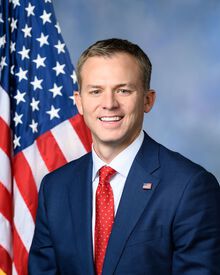
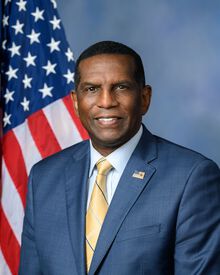
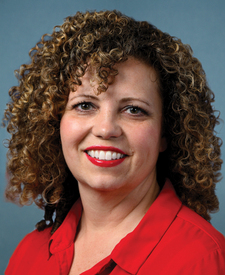
Legislative Progress
Passed HouseReceived; read twice and referred to the Committee on Energy …
Passed House (inferred from eh version)
Received in the Senate and Read twice and referred to …
Mr. Stauber moved to suspend the rules and pass the …
DEBATE - The House proceeded with forty minutes of debate …
Motion to reconsider laid on the table Agreed to without …
Passed/agreed to in House: On motion to suspend the rules …
On motion to suspend the rules and pass the bill …
Considered under suspension of the rules. (consideration: CR H5876-5878)
Committee on Agriculture discharged; committed to the Committee of the …
Stakeholder Effects
cui bono?How this legislation distributes effects. Mention counts reflect frequency, not effect magnitude.
Bill Structure & Actor Mappings
Who is "The Secretary" in each section?
- "institute"
- → Wildfire and forest-health institute authorized under the Southwest Forest Health and Wildfire Prevention Act.
We use a combination of our own taxonomy and classification in addition to large language models to assess meaning and potential beneficiaries. High confidence means strong textual evidence. Always verify with the original bill text.
Learn more about our methodology