To address the high costs of health care services, prescription drugs, and health insurance coverage in the United States, and for other purposes.
Analysis under review: This bill has generated analysis that may be too generic or incomplete. Clause-level evidence remains available below.
Summary
What This Bill Does
This bill, To address the high costs of health care services, prescription drugs, and health insurance coverage in the United States, and for other purposes., changes federal law or congressional policy affecting health care providers and patients. The main policy domain is Healthcare, Finance, Labor.
Who Benefits and How
health care providers and patients may benefit from new authority, funding, eligibility, regulatory clarity, or reduced risk created by the bill.
Who Bears the Burden and How
federal implementing agencies, health care providers and patients may take on implementation duties, reporting obligations, compliance costs, or oversight responsibilities.
Key Provisions
- Section HEAE1CFF30CEC42B0AED354F356B89819: 1. Short title; table of contents This Act may be cited as the Fair Care Act of 2024. The table of contents for this Act is as follows:
- Section HAF9F9A0C7354433E980588C4C131FCB0: 101. Modernization of health savings accounts Section 223 of the Internal Revenue Code of 1986 is amended to read as follows: 223.Health savings...
- Section HFBB0F06797F84619AE727959BF131B65: 223. Health savings accounts In the case of an individual who is an eligible individual for any month during the taxable year, there shall be allowed as a...
- Section HD6A4FF995179426CB9874BCE048F7311: 102. Unused premium tax credits may be deposited in health savings accounts Section 36B is amended by redesignating subsection (h) as subsection (i) and by...
- Section H92FE1F9C8F0F44E1A4AD3F309AF30A86: 103. Health Reimbursement Arrangements and Other Account-Based Group Health Plans The rule published by the Internal Revenue Service, the Employee Benefits...
Evidence Chain:
This summary is generated from the full bill text using AI analysis. Expand "Detailed Analysis" below for identified beneficiaries/burden bearers with clause-level evidence links.
At a Glance
What This Bill Does
This bill, To address the high costs of health care services, prescription drugs, and health insurance coverage in the United States, and for other purposes., changes federal law or congressional policy affecting health care providers and patients.
Key Policy Areas
Healthcare, Finance, Labor
Primary Purpose
This bill, To address the high costs of health care services, prescription drugs, and health insurance coverage in the United States, and for other purposes., changes federal law or congressional policy affecting health care providers and patients.
Policy Domains
Whole bill
Identified Gains
- health care providers and patients
Identified Costs
- federal implementing agencies
- health care providers and patients
Legislative Progress
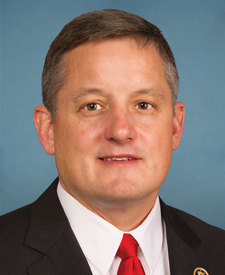
IntroducedMr. Westerman introduced the following bill; which was referred to …
Impact analysis is available but no clear stakeholder effects identified. View clause-level analysis →
Bill Structure & Actor Mappings
Who is "The Secretary" in each section?
- "the_commission"
- → The commission identified in the operative section
- "the_administrator"
- → The Administrator identified in the operative section
- "secretary_of_treasury"
- → Secretary of the Treasury
- "secretary_of_health_and_human_services"
- → Secretary of Health and Human Services
Key Definitions
Terms defined in this bill
an individual who, on the date of dispensing a covered part D drug— is enrolled in a prescription drug plan or an MA–PD plan
any rule of the Food and Drug Administration that is not a major rule. The term rule has the meaning given such term in section 551, except that such term does not include— any rule of particular applicability
an individual who, on the date of dispensing a covered part D drug— is enrolled in a prescription drug plan or an MA–PD plan
only a joint resolution addressing a report classifying a rule as major pursuant to section 811(a)(1)(A)(iii) that— bears no preamble
only the following: All employees
any rule of the Food and Drug Administration that is not a major rule. The term rule has the meaning given such term in section 551, except that such term does not include— any rule of particular applicability
We use a combination of our own taxonomy and classification in addition to large language models to assess meaning and potential beneficiaries. High confidence means strong textual evidence. Always verify with the original bill text.
Learn more about our methodology