To amend the Family and Medical Leave Act to expand employees eligible for leave and employers subject to leave requirements, and for other purposes.
Analysis under review: This bill has generated analysis that may be too generic or incomplete. Clause-level evidence remains available below.
Summary
What This Bill Does
The bill expands the Family and Medical Leave Act employer coverage from businesses with 50+ employees to ALL businesses with 1 or more employees, requiring small businesses to provide unpaid leave and maintain health insurance. It relies on compliance mandates and definition changes. The main policy areas are Finance, Labor, and Labor & Employment.
Who Benefits and How
Workers employed at small businesses (1-49 employees) could face lower compliance burdens and HR and payroll service providers for small businesses could gain revenue opportunities.
Who Bears the Burden and How
Small business owners with 1-49 employees would take on compliance duties.
Key Provisions
- Expands the Family and Medical Leave Act employer coverage from businesses with 50+ employees to ALL businesses with 1 or more employees, requiring small businesses to provide unpaid leave and maintain health insurance...
Evidence Chain:
This summary is generated from the full bill text using AI analysis. Expand "Detailed Analysis" below for identified beneficiaries/burden bearers with clause-level evidence links.
At a Glance
What This Bill Does
The bill expands the Family and Medical Leave Act employer coverage from businesses with 50+ employees to ALL businesses with 1 or more employees, requiring small businesses to provide unpaid leave and maintain health insurance.
Key Policy Areas
Finance, Labor, Labor & Employment
Primary Purpose
The bill expands the Family and Medical Leave Act employer coverage from businesses with 50+ employees to ALL businesses with 1 or more employees, requiring small businesses to provide unpaid leave and maintain health insurance.
Policy Domains
Section 2 - Expansion of employees eligible for family and medical leave
Identified Gains
- Workers employed at small businesses (1-49 employees)
- HR and payroll service providers for small businesses
Identified Costs
- Small business owners with 1-49 employees
Sponsors


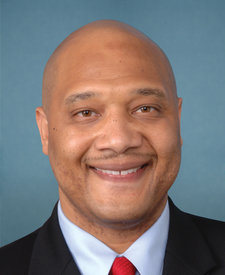
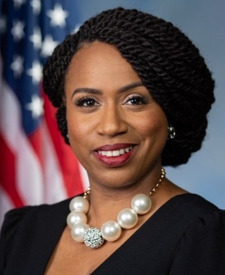
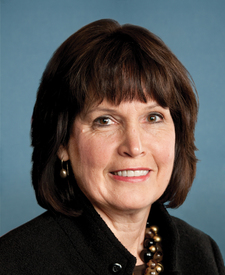
Legislative Progress
IntroducedMs. Underwood (for herself, Ms. DeLauro, Ms. Chu, Ms. Meng, …
Stakeholder Effects
cui bono?How this legislation distributes effects. Mention counts reflect frequency, not effect magnitude.
HR and payroll service providers for small businesses
Bill Structure & Actor Mappings
Who is "The Secretary" in each section?
Key Definitions
Terms defined in this bill
An employee employed for at least 90 days by the employer (reduced from 12 months and 1,250 hours requirement)
A person engaged in commerce who employs 1 or more employees (expanded from 50 or more employees)
We use a combination of our own taxonomy and classification in addition to large language models to assess meaning and potential beneficiaries. High confidence means strong textual evidence. Always verify with the original bill text.
Learn more about our methodology