To amend title 10, United States Code, to improve the provision of military housing to members of the Armed Forces and their families through private entities, and for other purposes.
Analysis under review: This bill has generated analysis that may be too generic or incomplete. Clause-level evidence remains available below.
Summary
What This Bill Does
This bill, To amend title 10, United States Code, to improve the provision of military housing to members of the Armed Forces and their families through private entities, and for other purposes., changes federal law or congressional policy affecting federal agencies and legislative administrators. The main policy domain is Government Operations, Defense, Healthcare.
Who Benefits and How
federal agencies and legislative administrators may benefit from new authority, funding, eligibility, regulatory clarity, or reduced risk created by the bill.
Who Bears the Burden and How
federal implementing agencies may take on implementation duties, reporting obligations, compliance costs, or oversight responsibilities.
Key Provisions
- Section HB426D547567A468AB23CC5D36EDBC572: 1. Short title This Act may be cited as the Military Housing Oversight and Service Member Protection Act.
- Section H47E4EF194B47435FAF62B646AD862C39: 2. Improvement of oversight of privatized military housing Subchapter IV of chapter 169 of title 10, United States Code, is amended by adding at the end the...
- Section HE1563EE74A0B44028DEEE84CF73F6064: 2885a. Oversight of contracts and housing units The Secretary of Defense shall establish formal written requirements and guidance for entering into and...
- Section HE56AC2A8C6B1415F8CC67ED9B32743BC: 2895. Screening and registry of individuals with health conditions resulting from unsafe housing units The Secretary of Defense, in consultation with...
- Section H0A3518E077EA4BD3A018168EEE6758D9: 3. Presumptions of service connection for illnesses or conditions associated with residing in privatized military housing Subchapter II of chapter 11 of title...
Evidence Chain:
This summary is generated from the full bill text using AI analysis. Expand "Detailed Analysis" below for identified beneficiaries/burden bearers with clause-level evidence links.
At a Glance
What This Bill Does
This bill, To amend title 10, United States Code, to improve the provision of military housing to members of the Armed Forces and their families through private entities, and for other purposes., changes federal law or congressional policy affecting federal agencies and legislative administrators.
Key Policy Areas
Government Operations, Defense, Healthcare
Primary Purpose
This bill, To amend title 10, United States Code, to improve the provision of military housing to members of the Armed Forces and their families through private entities, and for other purposes., changes federal law or congressional policy affecting federal agencies and legislative administrators.
Policy Domains
Whole bill
Identified Gains
- federal agencies and legislative administrators
Identified Costs
- federal implementing agencies
Sponsors
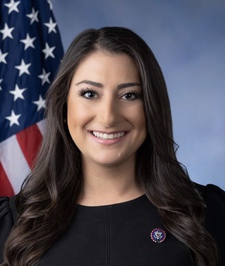
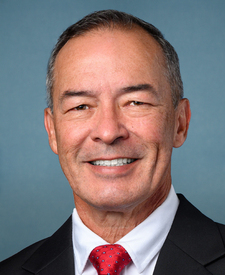
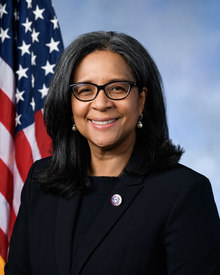
Legislative Progress
IntroducedMs. Jacobs (for herself, Ms. Strickland, and Mr. Moylan) introduced …
Impact analysis is available but no clear stakeholder effects identified. View clause-level analysis →
Bill Structure & Actor Mappings
Who is "The Secretary" in each section?
- "secretary_of_defense"
- → Secretary of Defense
Key Definitions
Terms defined in this bill
an individual— who— is serving as a Member of Congress (as defined in section 2106 of title 5)
We use a combination of our own taxonomy and classification in addition to large language models to assess meaning and potential beneficiaries. High confidence means strong textual evidence. Always verify with the original bill text.
Learn more about our methodology