To require the Secretary of Education to establish a program to provide for antisemitism monitors at institutions of higher education.
Analysis under review: This bill has generated analysis that may be too generic or incomplete. Clause-level evidence remains available below.
Summary
What This Bill Does
The COLUMBIA Act requires the Department of Education to appoint independent antisemitism monitors at colleges that have high levels of antisemitic activity and receive federal funding. These monitors will track and publicly report on each college's progress in combating antisemitism, with quarterly reports posted on the college's and the Department's websites, and annual reports sent to Congress.
Who Benefits and How
Jewish students and organizations on college campuses benefit by receiving enhanced federal oversight and protection against antisemitism. Third-party monitoring firms and consultants gain a new revenue stream as they are hired to serve as antisemitism monitors at affected institutions. The Department of Education's Office for Civil Rights gains expanded authority to oversee civil rights compliance on campuses.
Who Bears the Burden and How
Colleges and universities identified as having high incidence of antisemitic activity face significant new costs and compliance burdens. They must enter into monitorship agreements, accept ongoing third-party oversight, pay for the monitors' expenses, publish quarterly progress reports, and implement the monitors' recommendations. This creates both financial costs for paying monitor fees and administrative burdens for reporting and compliance.
Key Provisions
- The Secretary of Education must establish the monitoring program within 180 days of the law's enactment
- Only colleges with "high incidence of antisemitic activity" (as determined by Office for Civil Rights data) that receive federal funds are subject to monitoring
- Colleges must pay for all "reasonable expenses" of their assigned antisemitism monitors
- Monitors must issue quarterly public reports evaluating the college's progress in combating antisemitism
- Annual reports to Congress must include recommendations for "actions, policies, and sanctions" to prevent and reduce antisemitism
- All quarterly reports must be posted on both the college's website and the Department of Education's website for public access
Evidence Chain:
This summary is generated from the full bill text using AI analysis. Expand "Detailed Analysis" below for identified beneficiaries/burden bearers.
At a Glance
What This Bill Does
Requires the Secretary of Education to appoint independent antisemitism monitors at colleges with high incidence of antisemitic activity that receive federal funding
Who Benefits
- Jewish students and organizations on college campuses
- Civil rights advocacy organizations
- Third-party monitoring firms and consultants (antisemitism monitors)
Who Bears Costs
- Colleges and universities with high antisemitism incidence (compliance costs, reporting burden, monitorship expenses)
- Higher education institutions receiving federal funds (potential for increased federal oversight)
- College administrators (additional regulatory compliance requirements)
Key Policy Areas
Education, Civil Rights
Primary Purpose
Requires the Secretary of Education to appoint independent antisemitism monitors at colleges with high incidence of antisemitic activity that receive federal funding
Policy Domains
Legislative Strategy
"Enhance federal oversight and enforcement of civil rights protections on college campuses through mandatory third-party monitoring and public reporting"
Identified Gains
- Jewish students and organizations on college campuses
- Civil rights advocacy organizations
- Third-party monitoring firms and consultants (antisemitism monitors)
- Department of Education Office for Civil Rights (expanded authority)
Identified Costs
- Colleges and universities with high antisemitism incidence (compliance costs, reporting burden, monitorship expenses)
- Higher education institutions receiving federal funds (potential for increased federal oversight)
- College administrators (additional regulatory compliance requirements)
Sponsors
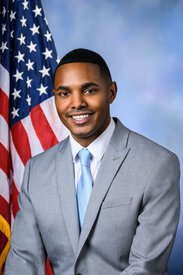

Legislative Progress
IntroducedMr. Torres of New York (for himself and Mr. Lawler) …
Stakeholder Effects
cui bono?How this legislation distributes effects. Mention counts reflect frequency, not effect magnitude.
Colleges and universities with high antisemitism incidence receiving federal funds
Third-party antisemitism monitoring firms and consultants
Jewish students and civil rights organizations
Bill Structure & Actor Mappings
Who is "The Secretary" in each section?
- "the_secretary"
- → Secretary of Education
- "office_for_civil_rights"
- → Office for Civil Rights of the Department of Education
Key Definitions
Terms defined in this bill
Has the meaning given such term in section 102 of the Higher Education Act of 1965 (20 U.S.C. 1002)
We use a combination of our own taxonomy and classification in addition to large language models to assess meaning and potential beneficiaries. High confidence means strong textual evidence. Always verify with the original bill text.
Learn more about our methodology