Protection of Women in Olympic and Amateur Sports Act of 2026
Summary
What This Bill Does
The Protection of Women in Olympic and Amateur Sports Act amends title 36 provisions governing the U.S. Olympic and Paralympic Committee. It adds biological definitions of female, male, and sex to section 220501. Female is defined by the reproductive system that produces, transports, and utilizes eggs for fertilization, with caveats for developmental or genetic anomalies or historical accident. Male is defined similarly by the reproductive system that produces, transports, and utilizes sperm. Sex is defined as biological sex, either male or female. The bill then adds a USOPC duty to prohibit a person whose sex is male from participating in an amateur athletic competition designated for females, women, or girls.
Who Benefits and How
Female athletes who support sex-based competition rules benefit because the bill requires exclusion of male-sex participants from female, women's, and girls' amateur competitions governed through USOPC structures. Sports organizations seeking a federal biological-sex standard benefit from explicit statutory definitions. Parents and advocates who support female-only competition categories benefit from a federal eligibility mandate. National governing bodies benefit from a clear federal rule, though it may also constrain their discretion. Competition organizers benefit from statutory definitions to apply when classifying female, male, and sex.
Who Bears the Burden and How
Transgender women and girls, and other athletes classified as male under the bill's definitions, bear exclusion from female, women's, and girls' amateur competitions covered by the USOPC framework. The U.S. Olympic and Paralympic Committee must enforce the prohibition and integrate the definitions into eligibility rules. National governing bodies must adjust policies and competition eligibility practices. Athletes with developmental or genetic differences may face classification reviews under the bill's biological definitions. Civil-rights advocates opposing categorical exclusion bear a policy burden from the federal mandate.
Key Provisions
- Defines female by reproductive-system characteristics tied to egg production, transport, and use.
- Defines male by reproductive-system characteristics tied to sperm production, transport, and use.
- Defines sex as biological sex, either male or female.
- Requires the USOPC to prohibit male-sex participants from female, women's, and girls' amateur athletic competitions.
- Applies the eligibility rule through the Ted Stevens Olympic and Amateur Sports Act.
- Constrains national governing bodies that operate under the USOPC framework.
Evidence Chain:
This summary is generated from the full bill text using AI analysis. Expand "Detailed Analysis" below for identified beneficiaries/burden bearers with clause-level evidence links.
At a Glance
What This Bill Does
Amends the Ted Stevens Olympic and Amateur Sports Act to define female, male, and sex biologically and require the U.S. Olympic and Paralympic Committee to prohibit a person whose sex is male from participating in amateur athletic competitions designated for females, women, or girls.
Key Policy Areas
Sports, Civil Rights, Gender Policy
Primary Purpose
Amends the Ted Stevens Olympic and Amateur Sports Act to define female, male, and sex biologically and require the U.S. Olympic and Paralympic Committee to prohibit a person whose sex is male from participating in amateur athletic competitions designated for females, women, or girls.
Policy Domains
House resolution provisions
Identified Gains
- Female athletes supporting sex-based categories
- United States Olympic and Paralympic Committee
- Sports organizations seeking biological-sex standards
- Parents and families supporting female-only competitions
- National governing body staff
- Competition organizers
Identified Costs
- Transgender women athletes
- Transgender girls athletes
- United States Olympic and Paralympic Committee
- National governing body employees
- Civil-rights organizations opposing exclusion
- Athletes with developmental or genetic differences
Sponsors
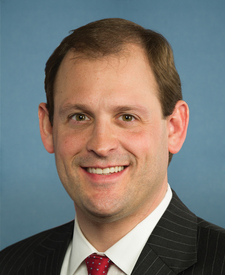
Legislative Progress
ReportedPlaced on the Union Calendar, Calendar No. 423.
Reported (Amended) by the Committee on Judiciary. H. Rept. 119-497.
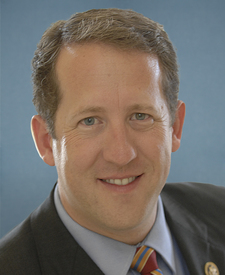
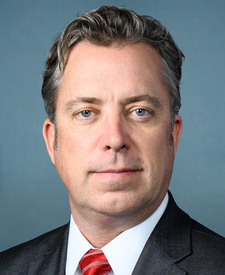
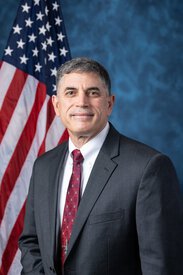
Additional sponsors: Mrs. Miller-Meeks, Mrs. Hinson, Mr. Palmer, Mr. Johnson …
Placed on the Union Calendar, Calendar No. 423.
Committee Consideration and Mark-up Session Held
Ordered to be Reported (Amended) by the Yeas and Nays: …
Introduced in House
Referred to the House Committee on the Judiciary.
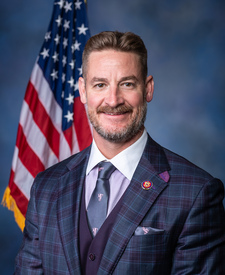
Mr. Steube (for himself, Mr. Clyde, Mr. LaMalfa, Mr. Haridopolos, …
Stakeholder Effects
cui bono?How this legislation distributes effects. Mention counts reflect frequency, not effect magnitude.
Female athletes supporting sex-based categories, National governing bodies, United States Olympic and Paralympic Committee
Positive-direction: Female athletes supporting sex-based categories
Negative-direction: National governing bodies, United States Olympic and Paralympic Committee
Transgender girls athletes, Transgender women athletes
Bill Structure & Actor Mappings
Who is "The Secretary" in each section?
- "usopc"
- → United States Olympic and Paralympic Committee
We use a combination of our own taxonomy and classification in addition to large language models to assess meaning and potential beneficiaries. High confidence means strong textual evidence. Always verify with the original bill text.
Learn more about our methodology