To protect babies and young children in childcare settings by strengthening transparency and safety requirements.
Analysis under review: This bill has generated analysis that may be too generic or incomplete. Clause-level evidence remains available below.
Summary
What This Bill Does
This bill, To protect babies and young children in childcare settings by strengthening transparency and safety requirements., changes federal law or congressional policy affecting law enforcement, courts, victims, and regulated public-safety actors. The main policy domain is Criminal Justice, Government Operations, Healthcare.
Who Benefits and How
law enforcement, courts, victims, and regulated public-safety actors may benefit from new authority, funding, eligibility, regulatory clarity, or reduced risk created by the bill.
Who Bears the Burden and How
federal implementing agencies, law enforcement, courts, victims, and regulated public-safety actors may take on implementation duties, reporting obligations, compliance costs, or oversight responsibilities.
Key Provisions
- Section H2F806581EA084A97BD62C3C8883CE414: 1. Short title This Act may be cited as the Kairo Act of 2024.
- Section H11D0E6D00D824ADABF06B4C9EB56105C: 2. Definitions For purposes of this Act: The term certain child care provider means a center-based child care provider, a family child care provider, a...
- Section H7617869A956F41C8BED6AE717698F900: 3. Parental rights as a condition of funding Any provider receiving Federal funds towards providing child care or early learning programs, including but not...
- Section H363FB58CEE594F6B9E63E805BE87A087: 4. Notice of requirement to comply Not later than 30 days after the effective date of this Act, the Director of the Department of Health and Human Services...
- Section H3910F29E6EF548D2A568E383733DC101: 5. Effective date This Act shall take effect 30 days after the date of the enactment of this Act, the date of the enactment of this Act.
Evidence Chain:
This summary is generated from the full bill text using AI analysis. Expand "Detailed Analysis" below for identified beneficiaries/burden bearers with clause-level evidence links.
At a Glance
What This Bill Does
This bill, To protect babies and young children in childcare settings by strengthening transparency and safety requirements., changes federal law or congressional policy affecting law enforcement, courts, victims, and regulated public-safety actors.
Key Policy Areas
Criminal Justice, Government Operations, Healthcare
Primary Purpose
This bill, To protect babies and young children in childcare settings by strengthening transparency and safety requirements., changes federal law or congressional policy affecting law enforcement, courts, victims, and regulated public-safety actors.
Policy Domains
Whole bill
Identified Gains
- law enforcement, courts, victims, and regulated public-safety actors
Identified Costs
- federal implementing agencies
- law enforcement, courts, victims, and regulated public-safety actors
Sponsors
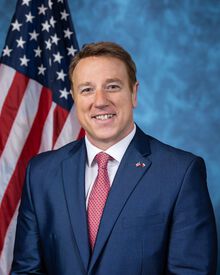
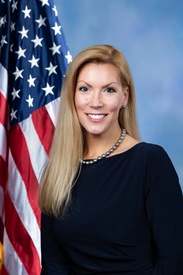
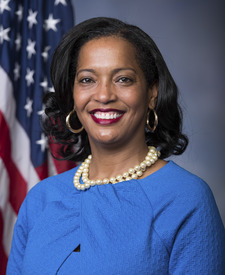
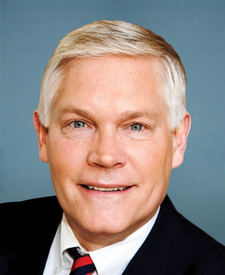
Legislative Progress
IntroducedMr. Fallon (for himself, Mrs. Hayes, Mr. Sessions, Ms. Van …
Impact analysis is available but no clear stakeholder effects identified. View clause-level analysis →
Bill Structure & Actor Mappings
Who is "The Secretary" in each section?
- "federal_implementing_agencies"
- → Federal agencies assigned duties by the bill
We use a combination of our own taxonomy and classification in addition to large language models to assess meaning and potential beneficiaries. High confidence means strong textual evidence. Always verify with the original bill text.
Learn more about our methodology