To direct the Secretary of Energy to establish a program for the interim storage of high-level radioactive waste and spent nuclear fuel, and for other purposes.
Analysis under review: This bill has generated analysis that may be too generic or incomplete. Clause-level evidence remains available below.
Summary
What This Bill Does
This bill, To direct the Secretary of Energy to establish a program for the interim storage of high-level radioactive waste and spent nuclear fuel, and for other purposes., changes federal law or congressional policy affecting energy producers, utilities, and energy consumers. The main policy domain is Energy, Government Operations, Transportation.
Who Benefits and How
energy producers, utilities, and energy consumers may benefit from new authority, funding, eligibility, regulatory clarity, or reduced risk created by the bill.
Who Bears the Burden and How
federal implementing agencies, energy producers, utilities, and energy consumers may take on implementation duties, reporting obligations, compliance costs, or oversight responsibilities.
Key Provisions
- Section H3E35F9D8A10A444EBAB8AE8802360737: 1. Short title This Act may be cited as the Storage and Transportation Of Residual and Excess Nuclear Fuel Act of 2024, or the STORE Nuclear Fuel Act of 2024.
- Section HE2EDA65948974660860C24CD7235AC4B: 2. Interim storage Title I of the Nuclear Waste Policy Act of 1982 (42 U.S.C. 10121 et seq.) is amended by adding at the end the following: IInterim...
- Section HAA72ACE946964926A17570E8219936E6: 190. Definitions In this subtitle: The term contract holder means any person who— generates or holds title to spent nuclear fuel and high-level radioactive...
- Section HA8520DFE433B414C8F2BC2276BF6D877: 191. Program for storage facilities The Secretary shall establish a program under which the Secretary may— site, construct, and operate one or more storage...
- Section HDD5BC91A94A9413282DBCE129349DB1B: 3. Limitation on collection of fees Section 302(a)(4) of the Nuclear Waste Policy Act of 1982 (42 U.S.C. 10222(a)(4)) is amended— in the first sentence, by...
Evidence Chain:
This summary is generated from the full bill text using AI analysis. Expand "Detailed Analysis" below for identified beneficiaries/burden bearers with clause-level evidence links.
At a Glance
What This Bill Does
This bill, To direct the Secretary of Energy to establish a program for the interim storage of high-level radioactive waste and spent nuclear fuel, and for other purposes., changes federal law or congressional policy affecting energy producers, utilities, and energy consumers.
Key Policy Areas
Energy, Government Operations, Transportation
Primary Purpose
This bill, To direct the Secretary of Energy to establish a program for the interim storage of high-level radioactive waste and spent nuclear fuel, and for other purposes., changes federal law or congressional policy affecting energy producers, utilities, and energy consumers.
Policy Domains
Whole bill
Identified Gains
- energy producers, utilities, and energy consumers
Identified Costs
- federal implementing agencies
- energy producers, utilities, and energy consumers
Sponsors

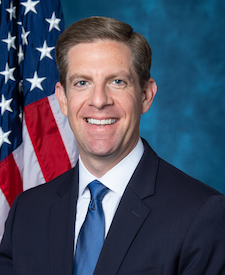
Legislative Progress
IntroducedMs. Matsui (for herself and Mr. Levin) introduced the following …
Impact analysis is available but no clear stakeholder effects identified. View clause-level analysis →
Bill Structure & Actor Mappings
Who is "The Secretary" in each section?
- "the_secretary"
- → The Secretary identified in the operative section
- "the_commission"
- → The commission identified in the operative section
Key Definitions
Terms defined in this bill
any person who— generates or holds title to spent nuclear fuel and high-level radioactive waste generated at a civilian nuclear power reactor
any person who— generates or holds title to spent nuclear fuel and high-level radioactive waste generated at a civilian nuclear power reactor
We use a combination of our own taxonomy and classification in addition to large language models to assess meaning and potential beneficiaries. High confidence means strong textual evidence. Always verify with the original bill text.
Learn more about our methodology